
The Japan construction industry is an intricate sector, celebrated for its discipline and high safety expectations.
For expatriates, newcomers, and industry observers, understanding how safety and worker prerequisites are managed in Japan offers not just insight but practical value.
This guide provides a thorough look at what working on a Japanese site really entails, and why site safety is never an afterthought in this country.
The following article is especially useful for professionals considering work in Japanese construction, safety managers comparing international standards, or anyone simply curious about Japan’s detailed approach to occupational health and legal compliance.
The main advantages? Learning how to prepare for work, what is expected, and how to stay safer in a busy, sometimes unpredictable environment.
Japan's Commitment to Construction Site Safety
Across Japan, strict site safety standards are not just a recommendation—they are an everyday reality.
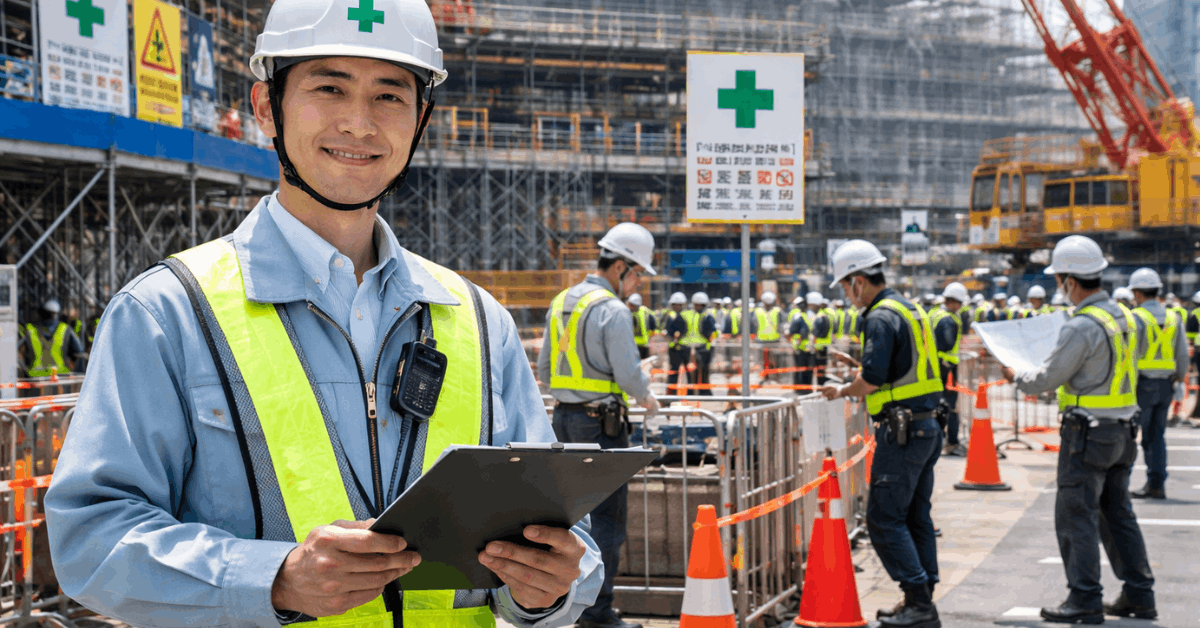
Whether in Tokyo’s skyscraper zones or more rural projects, local regulations set the bar high, both to protect workers and to maintain public trust in the sector.
Legal Framework and Standards
The primary legislative backbone is the Industrial Safety and Health Act, supported by the Ministry of Health, Labor, and Welfare.
It’s detailed, but perhaps not always easy to navigate. The Act covers everything from mandatory helmet use to emergency plans, with oversight that can feel relentless but is generally respected.
Worksite Inspections
Japanese worksites are frequently subject to inspection. This isn’t just a formality—inspectors have genuine authority to halt works over violations.
For many workers, the knowledge that checks could happen any week helps encourage carefulness, not merely compliance.
Zero Tolerance for Major Risks
Major hazards, including falls from height, electric shock, and machinery accidents, are met with near-zero tolerance.
While some countries might allow shortcuts under pressure, Japanese firms rarely go down that path—perhaps partly because the cost of public scandal here can be severe.
Essential Worker Requirements in Japanese Construction
Anyone aiming to join a Japanese construction site must meet specific qualifications, both on paper and in daily practice.
For foreign workers, navigating these before a first job may feel challenging, but the clarity can be helpful once understood.
Legal Eligibility to Work
All workers need an appropriate residency status or work visas. The Technical Intern Training Program brings in many migrant workers, mostly on skills-focused contracts. Naturally, legal documentation—such as residence cards and permits—is constantly checked.
Mandatory Safety Training
Japan insists on safety induction courses for virtually every new hire. The typical session covers hazard identification, equipment use, and emergency response. Workers sometimes mention the repetition, but it does reinforce a safe practice culture.
Physical and Health Requirements
Japanese regulations require workers to pass health checks before starting, and often at intervals throughout employment.
Vision, hearing, and basic physical fitness are evaluated. Occasionally, people with preexisting conditions find the process strict, though this is arguably for everyone’s benefit.
Certifications and Licenses
For certain skilled jobs—like crane operators, scaffolding assembly, or high-altitude tasks—specific accreditation is required. Some companies may offer internal training, but many rely on approved external institutions.
Daily Safety Practices at Japanese Worksites
Consistency is a big part of construction safety here. Day to day, even mundane tasks are framed around risk reduction.
Observers sometimes notice the almost ceremonial feel to some routines—yet, the records suggest these habits make a difference.
Toolbox Meetings
Before a shift, toolbox meetings set the tone. Site managers discuss tasks for the day, flag any unusual risks, and double-check PPE (personal protective equipment) use. This routine, while occasionally repetitive, encourages focus and communication.
PPE Standards and Enforcements
Hard hats, gloves, safety boots, and eye protection are absolutely standard. Most sites ask workers to self-check PPE and to report any damaged items—though not everyone remembers to, so managers keep extra inventory just in case.
Housekeeping and Site Cleanliness
Japan’s emphasis on cleanliness and tidiness extends to building sites. Tools are returned after use, walkways get swept, and potential trip hazards are cleared quickly. Many workers find this aspect both reassuring and—honestly—a bit demanding at times.
Safety Challenges and Realities
Despite the robust rules, real-life sites are not always picture-perfect. Weather, deadlines, and human error still introduce risk.
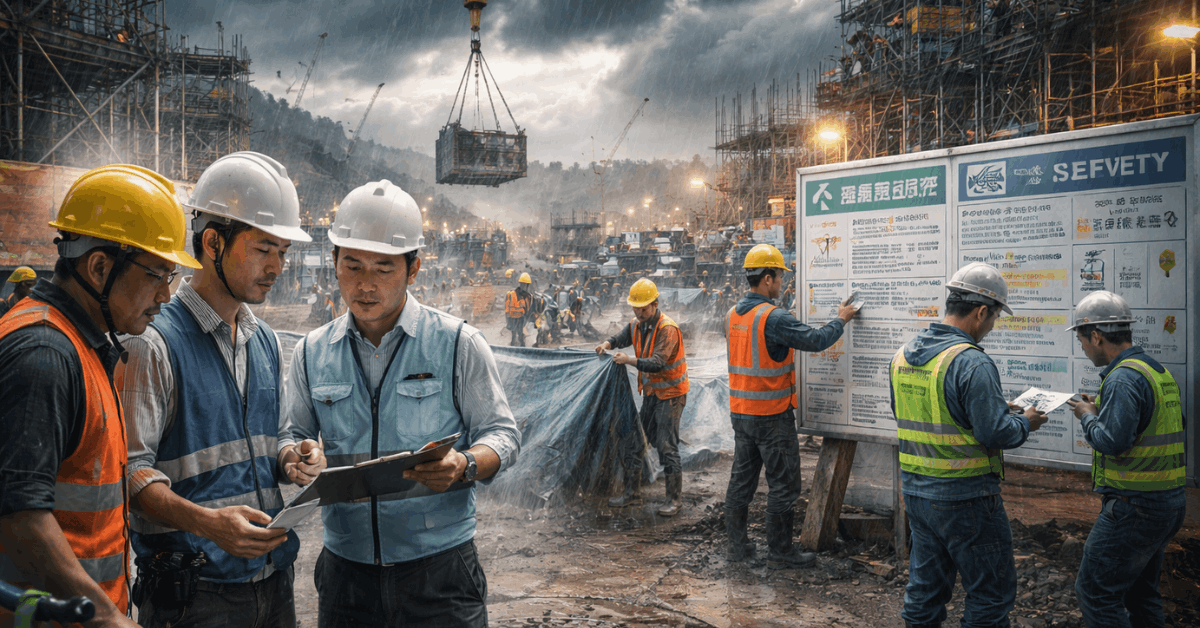
Sometimes, tensions arise between efficiency and full compliance; management might insist on both, while workers occasionally feel the pressure.
Managing Extreme Weather
Japan’s climate brings humid summers and sudden typhoons. Site closures for rain or wind are common, though delays can cause frustration. It’s perhaps a necessary tradeoff for fewer accidents.
Communication and Language Barriers
With growing numbers of foreign workers, multilingual communication is increasingly important. Japanese is the language of instruction, but many sites provide basic materials in Vietnamese, Tagalog, or Chinese as needed.
Reporting and Accountability
Accident and near-miss reporting systems are active everywhere. While some workers may hesitate to admit mistakes, supervisors try to encourage openness, framing incidents as chances to improve—not just failures.
Common Construction Site Hazards in Japan
Understanding which hazards occur most frequently can help prepare workers and managers alike. Japan’s safety records indicate several high-priority risks that require vigilance on a typical job site.
- Falling from height: Still the leading cause of injuries, especially from scaffolds.
- Machinery-related accidents: Involving cranes, lifts, and bulldozers.
- Electrical shocks: Often connected to temporary site wiring issues.
- Slip, trip, and fall hazards: Linked to weather and temporary surfaces.
- Exposure to dust and chemicals: A growing concern as more renovation and demolition projects begin.
The Role of Technology in Site Safety
In recent years, digital innovation has started to change construction work in Japan. Technology isn’t a cure-all, but it has certainly begun to support safer and more efficient site practices.
Wearable Safety Devices
Some management teams now require electronic ID tags capable of tracking location or alerting supervisors if a worker falls or is unresponsive. While some privacy concerns exist, most workers say tech like this feels reassuring.
Automated Machinery
Drones and robot machinery are now used for site surveys and hazardous demolition jobs, reducing the need for human workers in risky spots. Adoption is slower outside big cities, though that trend may shift.
Mobile Training Platforms
Digital learning modules have made mandatory training and toolbox refreshers faster to deliver and easier to repeat, especially for multilingual teams.
Best Practices for Workers and Management
For those navigating Japan’s construction landscape, a few takeaways might help smooth the way. There’s rarely a single recipe, but typical suggestions include:
- Always participate in all available safety trainings, even if experienced.
- Proactively ask about site policies and emergency protocols—clarity helps.
- Keep documentation current for certifications and health checks.
- Use rest breaks mindfully, especially given Japan’s sometimes-challenging weather.
- Communicate openly about any potential safety concerns, no matter how small.
Legal and Social Responsibilities
Responsibility for site safety in Japan is shared between employers and employees. Legally, employers must provide equipment, training, and safe environments.
Workers are obligated to follow regulations, report risks honestly, and contribute to a positive safety culture. This is both an individual and group endeavor.
Penalties for Non-Compliance
Breaking safety rules can mean fines, site closures, or even criminal charges—especially if injuries result.
Managers stress this not to scare, but to ensure everyone understands the stakes. Compliance is taken seriously by most crews.
Tips for Staying Safe on Japanese Construction Sites
- Complete all required safety training.
- Wear proper PPE at all times.
- Keep certifications and documents updated.
- Report hazards immediately.
- Follow site rules without shortcuts.
Conclusion
Construction site safety in Japan is built on strict rules, regular training, and shared responsibility between workers and employers.
Anyone entering this industry needs to understand the legal requirements, safety routines, and daily expectations before starting work.
Strong preparation, clear communication, and consistent compliance can reduce risks and improve job readiness.
For local and foreign workers alike, knowing these standards is essential for working safely and effectively.