
Many people interested in hospitality careers in Japan have heard of Komeda's Coffee. With its cozy atmosphere and signature menu, this café chain is a favorite spot for students, professionals, and families.
But what goes on behind the scenes? This article is especially useful for job seekers considering a role here, as well as anyone curious about how a popular Japanese café operates.
By understanding floor staff and kitchen duties, readers may find new appreciation for the efficient service and inviting experience Komeda's is known for.
If someone is wondering what day-to-day work entails, or how these roles impact customer satisfaction, reading further could be worth their while.
Overview: What Makes Komeda's Coffee Unique?
Komeda's Coffee is a leading café franchise in Japan. It's famous not only for its blend of coffee and signature Shiro-Noir pastry, but also for its carefully designed customer experience.
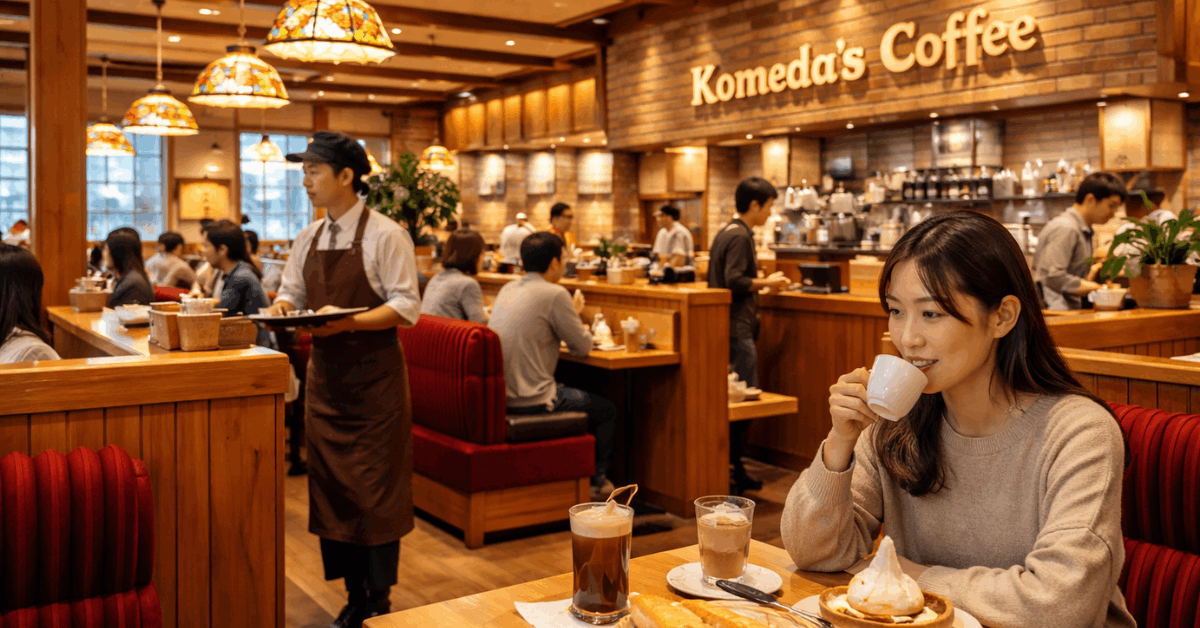
Unlike some other chains, Komeda's prioritizes a relaxed pace, comfortable seating, and attentive service. This atmosphere relies heavily on both efficient floor operations and a streamlined kitchen workflow.
Anyone thinking of working here will notice that roles are clearly defined. There's a certain style to how floor and kitchen staff are recruited and trained.
Some aspects may seem familiar from other food service jobs, but others are distinctively tied to Japanese café culture.
Main Duties of Floor Staff at Komeda's Coffee
Floor staff represent the face of Komeda's Coffee. Tasks may seem simple at a glance, but plenty of care goes into each guest interaction. From first greetings to settling bills, each moment is shaped by thoughtful service standards.
Welcoming and Seating Customers
Perhaps the first task is welcoming guests at the door. Some employees mention being pleasantly surprised by Komeda’s standard of a gentle, unrushed approach, compared to busier franchises.
After greeting, the staff guides customers to seating, often accommodating special requests when possible.
Taking Orders
Order-taking at Komeda’s combines polite language with real-time menu knowledge. Staff members usually memorize the daily offerings, as well as seasonal specials.
Some might hesitate at first, but training covers even minor points like cup sizes for different drinks, ensuring misunderstandings are rare.
Serving Food and Beverages
Once orders are in, floor staff coordinate with the kitchen and barista team for speedy service. Presentation standards are high—even simple items such as toast should look inviting. Trays are used for nearly every item, promoting cleanliness and consistency.
Table Maintenance and Cleaning
Throughout a customer’s visit, tables are cleared and wiped efficiently yet discreetly. During busy hours, timing can feel tricky.
Staff learn to balance attentiveness with the guest’s personal space, which, admittedly, might sometimes call for quick judgment.
Handling Payments and Farewells
When customers finish, payment takes place at the register. Floor staff handles cash or card transactions, sometimes making gentle small talk.
A heartfelt goodbye or polite bow may leave a lasting impression—part of the Komeda style. There's rarely a script that encourages genuine interaction.
Core Duties of Kitchen Staff at Komeda’s Coffee
While floor staff interacts with guests, the kitchen team ensures each dish and drink meets Komeda's consistent standards.
It’s not only about following recipes, but also about upholding quality, presentation, and efficiency.
Those considering a kitchen role can expect a structured day, with moments that keep one on their toes.
Food Preparation
Some Komeda’s menu items, like their sandwiches or famous breakfast sets, require attention to detail and speed. Kitchen staff begin prepping ingredients before the doors open.
Tasks include slicing bread, arranging fillings, and prepping toppings—sometimes repeating the process dozens of times in a shift.
If it sounds repetitive, some staff members mention finding satisfaction in this rhythm, while others might crave variety.
Beverage Crafting
In most locations, kitchen team members also prepare coffee, tea, and specialty drinks. Precision matters—a few seconds too long on the coffee machine can affect taste.
Training emphasizes not just technique but awareness, especially during the morning rush. There’s pride in serving a consistent cup, even if the process can sometimes feel exacting.
Adhering to Safety and Cleanliness Standards
Maintaining hygiene is non-negotiable in Japanese food service. Kitchen staff wash their hands often, wear proper uniforms, and regularly sanitize workstations.
There’s always a checklist, but sometimes the real lessons come from more experienced colleagues, who tend to call out small oversights before they become issues.
Stocking and Inventory Control
Many shifts include restocking shelves or checking inventory—perhaps less glamorous, but essential.
Running low on key ingredients, even for a short time, can create a cascade of issues. Some staff get involved in inventory audits, particularly during slower hours.
Supporting the Floor During Peak Times
The kitchen and floor staff communicate frequently. During busy periods, kitchen members sometimes help clear tables or replenish water for guests. While it’s not the main focus, a team approach helps everyone cope with busy spells.
Differences Between Floor and Kitchen Roles
While both teams pursue the same purpose—delivering an inviting experience—their required skill sets diverge.

Floor staff thrive on social skills, attentiveness, and multitasking with guests. Kitchen roles call for focus, speed, and an eye for detail, mostly behind the scenes.
Of course, not everyone finds one easier than the other. Some prefer the predictability of kitchen work, others the variety of floor responsibilities.
Shifts are typically rotated, allowing some flexibility. In some Komeda locations, newer employees may rotate between roles, especially during training. This can feel overwhelming, but many say it helps build respect across the team.
Skills and Qualities for Success at Komeda’s Coffee
What does it really take to succeed in these jobs? Friendliness is valued, but so are patience and adaptability.
Communication skills matter, naturally, but the ability to work quietly under pressure is equally treated as essential.
For those thinking of applying, punctuality and a willingness to learn often outweigh direct experience.
Staff sometimes mention that individual quirks are accepted, as long as teamwork and reliability are consistent. Perfection isn’t expected, but effort and a willingness to support colleagues go a long way.
Challenges and Rewards of Working at Komeda’s Coffee
No workplace is perfect, and Komeda’s Coffee has its unique mix of pressures. Lunchtime surges or back-to-back orders can become unpredictable. Language barriers come up—especially for non-native staff or guests.
Sometimes, expectations around hospitality can seem tough, especially for those unused to such detail.
Yet, the rewards can be meaningful. Staff often mention customer appreciation—a simple thank-you or even a smile can make a long shift easier.
For many, the camaraderie with co-workers and learning to move as a team brings a sense of progress.
And, particularly for the hospitality-minded, Komeda’s attention to detail offers practical lessons useful far beyond café work.
Career Opportunities, Growth, and Transfers
Entry-level positions as floor or kitchen staff provide a foothold into Japan’s food industry. Some employees remain part-time alongside school or family obligations.
Others find themselves promoted to a leader or shift manager within a few years. There are even paths to store management or transfers to new locations.
Komeda’s is known to encourage repeat hiring, supporting long-term staff who demonstrate dedication.
Those who wish to advance are offered training modules, sometimes through company seminars. Opportunities may depend on location, but internal growth stories are not uncommon.
Tips for Aspiring Komeda's Coffee Staff
Success in these roles may come more easily with some preparation. Gaining familiarity with Japanese hospitality phrases, practicing basic tasks (like carrying trays), and even visiting a Komeda’s location could set the stage.
Seeking advice from current or former employees might also offer a realistic preview of challenges and rewards.
Those sensitive to fast pace or high expectations should consider possible stressors. Yet, with patience, adaptability, and curiosity, working at Komeda’s Coffee can provide skills and experiences valued not just in food service, but in virtually any people-oriented career.
Conclusion
Working at Komeda’s Coffee involves more than serving food and drinks, as both floor and kitchen roles support the full customer experience.
These positions require teamwork, attention to detail, and a strong service mindset. While the work can be fast-paced and demanding, it also offers useful skills and opportunities for growth.
For anyone interested in hospitality in Japan, Komeda’s Coffee can be a valuable place to learn and improve.