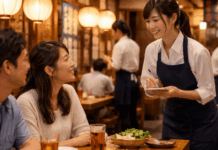
Retail work in Japan stands out for its distinct approach to customer service. Anyone interested in working or understanding retail in this country soon notices how different expectations play out in every interaction.
For those considering employment in Japan’s retail sector, learning about these protocols could make all the difference.
This article explores what sets Japanese retail apart, why service standards are so high, and how jobseekers can adjust to these cultural norms.
Why Customer Service Matters in Japanese Retail?
Customer service isn’t just a buzzword in Japanese retail—it's seen as the very core of the shopping experience.

Most visitors to Japanese stores might feel surprised at how attentive and polite the staff act. There’s often a sense of pride and almost ritualized hospitality—what’s known locally as omotenashi.
Understanding Omotenashi
Omotenashi describes a philosophy that goes beyond basic politeness. It involves anticipating customer needs, creating comfort, and making every shopper feel respected.
Staff may even use subtle non-verbal cues, such as gentle nods or perfectly timed greetings. For many, this creates an inviting atmosphere, but it can also feel a bit scripted—although in Japan, few see this as a problem.
Customer Expectations
Japanese consumers generally expect impeccable service. Long waits and inconsistent help are rare and usually noticed quickly.
Employees are trained to deliver consistent smiles, maintain a tidy environment, and ensure that each customer’s experience runs smoothly—whether or not they ultimately make a purchase.
Essential Customer Service Protocols in Japanese Retail
Retail staff follow a unique set of protocols shaped by cultural traditions and industry standards. Some of these steps might sound excessive to outsiders, but in Japan, these actions are part of showing respect and professionalism.
Greeting the Customer – The Irasshaimase Tradition
As soon as a customer enters, staff call out “ irasshaimase ” (welcome). This is less a casual hello and more a ritual acknowledgment, repeated uniformly by most employees on the sales floor. No response is expected, but customers often appreciate this overture.
Polite Language and Speech
Employees adhere to a formal level of language called keigo (honorific speech). Whether addressing adults or teenagers, phrases are carefully chosen to appear courteous. Even small talk tends to stay polite and understated.
Handling Merchandise
Items are handed over with both hands, showing appreciation for the purchase and respecting the customer.
It’s not just for high-value products—even items as simple as convenience store snacks are treated this way.
Packaging Rituals
Packing goods might look almost ceremonial. Staff often wrap purchases in branded bags, sometimes layering additional paper or plastic. This isn’t just about keeping things neat: it communicates care and attention to detail.
Payment Protocols
Cash handling remains highly structured. Change is counted out in front of the customer, and money is frequently placed on a small tray instead of being handed directly. Some think it's just tradition, while others believe it avoids misunderstandings during transactions.
Common Challenges for New Retail Employees
Adapting to these standards can be tough, especially for newcomers or non-Japanese staff. The emphasis on subtle gestures, strict language use, and continuous attention to detail requires a lot of practice.
For some, it may feel overwhelming initially—even a bit rigid. Yet many grow to appreciate the clarity these protocols bring.
Learning the Nuances
For anyone inexperienced, memorizing set phrases and behaviors is only the first step. The real test is blending these seamlessly into everyday-to-day interaction. Some people might slip occasionally, or overthink things at the start.
Maintaining Consistency
Perhaps the hardest part is sustaining the same level of politeness through a long, busy shift. Mistakes might happen during rush periods—a missed greeting, or mixing up wording. Over time, habits form, and it starts to feel more natural.
Why Do Japanese Retailers Uphold Such Rigid Standards?
It’s worth asking why these protocols endure, even in modern, fast-paced retail environments. The simplest reason: customer loyalty is fiercely competitive, and high standards often translate to greater trust in a brand.

There’s also the cultural aspect—showing respect through actions, not just words, has deep roots in Japanese society.
Company Reputation and Repeat Business
Consumers might return to a store simply because staff remembered a preference or delivered flawless packaging. Small gestures can stand out, especially for visitors used to more relaxed service environments.
Building Staff Pride
Some employees see these high standards as a source of pride. Mastering difficult protocols can help foster a sense of belonging and contribute to professional growth. Others might struggle with the repetition, but rarely doubt its importance in the big picture.
Opportunities for Non-Japanese Workers in Retail
Japan’s retail sector has opened more to foreign staff in recent years. For those willing to adapt, there’s a significant opportunity to develop professional skills and improve language abilities.
Bilingual workers, in particular, are often valued for their ability to serve tourists or communicate with an increasingly international customer base.
Essential Skills for Success
- High patience and attention to detail
- Willingness to learn and use formal Japanese
- Ability to read context and act proactively
- Endurance for busy peak hours
- Openness to feedback and correction
Language and Cultural Training
Many employers now offer onboarding programs or mentoring for non-Japanese recruits. These often include practical drills on speech, gestures, and handling complaints.
For those aiming to move into management eventually, mastering these protocols can open new doors.
Key Takeaways: Japanese Retail Protocols in Practice
It must be said, the Japanese approach to customer service isn’t perfect for everyone—or for every retail environment.
Still, it consistently delivers memorable experiences for customers and sets a high bar for professionalism within the industry.
Learning these protocols brings tangible benefits, whether looking to work in Japan, expand a business, or simply deepen your appreciation for Japanese culture.
Summary Table of Key Retail Protocols
| Protocol | Description |
|---|---|
| Omotenashi | Anticipating and fulfilling customer needs with sincerity |
| Irasshaimase | The ritualized greeting as customers enter |
| Keigo | Use of formal, honorific language |
| Two-handed Service | Presenting items and change with both hands |
| Packaging Rituals | Careful, almost ceremonial wrapping and bagging |
| Change Tray | Placing money on a tray rather than handing directly |
Frequently Asked Questions on Japanese Retail Service
Is it hard to learn Japanese customer service protocols?
For some, yes; especially at first. Adjusting to formality and repetitive actions takes patience, but with time and feedback, most people become comfortable.
Are these service standards followed everywhere?
Nearly all retail locations keep similar protocols—department stores, convenience shops, and even some pop-up stalls. However, the level of detail may vary slightly by brand or region.
What if a customer is rude or difficult?
Staff remain polite, rarely showing frustration. This can be challenging, but conflict is usually diffused by quietly maintaining formality and sticking to protocols.
Tips for Succeeding in Japanese Retail Service
- Learn key greetings and polite phrases.
- Pay attention to small service details.
- Stay calm and consistent with customers.
- Practice proper handling and packaging.
- Be open to feedback and correction.
Conclusion
Japanese retail customer service is built on politeness, consistency, and careful attention to detail. Protocols like omotenashi, formal language, and respectful handling of goods help create a smooth and memorable shopping experience.
For new employees, these standards may feel demanding at first, but they can become valuable professional skills over time.
Understanding these expectations can help job seekers adapt more confidently to retail work in Japan.