
Japan’s food and beverage industry is famous worldwide, renowned for its exceptional hospitality and strong attention to detail.
This guide explores the unique role of servers, understanding etiquette, and daily duties. Whether you're curious about working in Japanese restaurants or fascinated by the culture, there’s insight for every reader.
The goal? To clarify how service works in Japan, offering both practical knowledge and cultural context.
Understanding the Food and Beverage Service Culture in Japan
The foundation of any dining experience in Japan isn’t just about the food—it’s about the overall service.
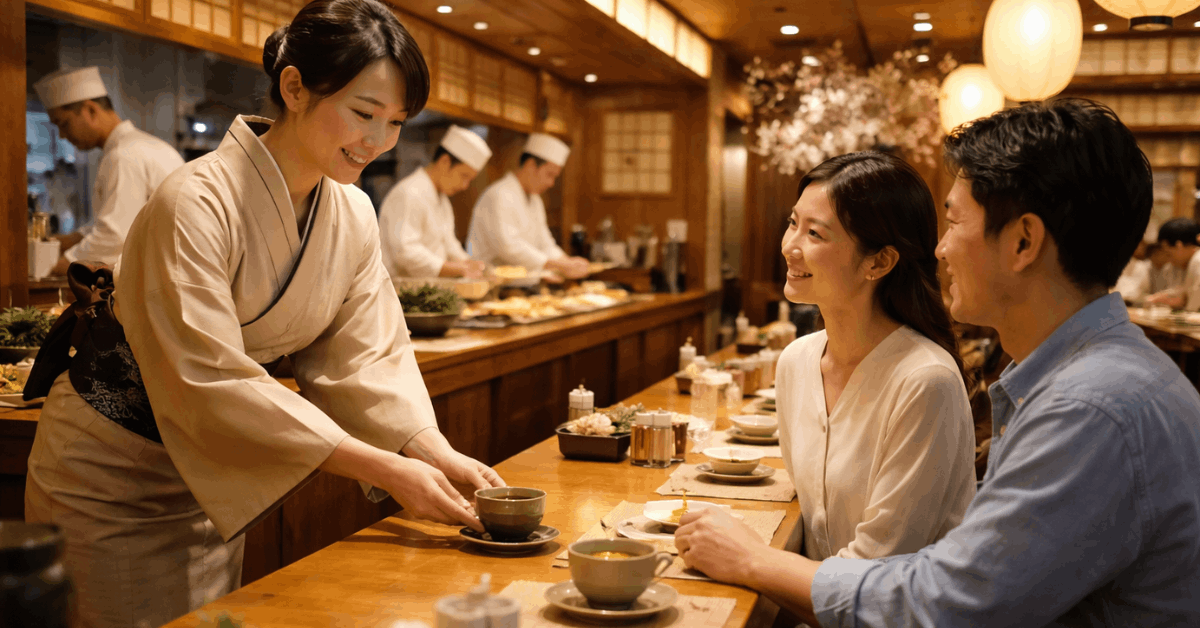
For guests, every interaction is intentional, shaped by customs that have developed over centuries. For staff, knowing these norms is a daily routine.
The Philosophy of "Omotenashi"
"Omotenashi" represents a concept of selfless hospitality. Servers act with sincere dedication to the guest’s comfort, anticipating needs rather than simply reacting.
Perhaps that’s why many travelers remember Japanese dining so fondly—the service goes beyond basic professionalism.
Role of Hierarchy and Respect (Keigo)
Language and gestures in service are often formal. Servers use polite language, known as "keigo," with every customer.
There’s also subtle bowing, soft speech, and careful eye contact, showing both respect and readiness to help. This etiquette can seem elaborate, even overwhelming, but in Japan, it feels natural, even unspoken.
Common Food and Beverage Roles in Japanese Establishments
Japanese restaurants often distinguish roles more clearly than their Western counterparts. Each team member brings focus to a specific task, supporting both efficiency and customer satisfaction.
Front-of-House Positions
- Server (Hall Staff / Waiter – ウェイター or ホールスタッフ): Central contact with guests. Servers take orders, deliver food, clear tables, and often handle payments.
- Host/Receptionist (Uketsuke): Welcomes guests, manages the waitlist, and answers questions about the menu or seating.
- Beverage Attendant: Dedicated to drink orders—in some places, suiting those specializing in sake or teas.
Back-of-House Support
- Kitchen Staff (Cook, Chef): Prepares food, coordinates with servers, and sometimes interacts with guests for specialty dishes.
- Dishwasher / Cleaning Staff: Keeps utensils, plates, and kitchen areas spotless to maintain hygiene standards.
Key Duties of Servers in Japanese Dining
Tasks for servers can differ depending on the type of establishment, but several core duties remain universal. These responsibilities are done with great consistency, and even a small gesture can reflect service quality.
Greeting Guests
Upon a customer’s arrival, the typical greeting is "Irasshaimase!" said with energy—never shouted, but pronounced clearly. This doesn’t require a response; it’s a ritual for open communication and inclusion.
Taking Orders with Precision
Listening attentively is crucial. Orders are repeated back for accuracy. If unsure, servers often check with the kitchen or suggest clarifications for allergies or special requests, showing care without overt persistence.
Food and Drink Delivery
Dishes are served in a particular sequence, always with polite presentation. Servers often carry multiple small plates at once, arranging them thoughtfully on the table.
When pouring drinks, more formal settings observe a rule: the server refills cups or glasses for the guest, but never for themselves.
Table Clearing (Sakidori)
Perhaps a server notices an empty plate yet the table isn’t fully cleared—the timing depends on the customer’s pace.
Some servers may hesitate, watching for cues, especially if guests are talking. Silent observation here is as important as physical action.
Payment Process
Bills are presented subtly, often on a tray, and cash or cards returned with two hands. Tips are uncommon unless in very tourist-oriented spots, and insisting can actually feel awkward for both sides.
Server Etiquette: Details That Define Japanese Hospitality
What makes Japanese service different is not just manners, but the intent behind every action. There’s an art to what happens in a restaurant, from the subtleties of expression to timing interactions.
Speech and Body Language
Servers speak softly, avoid crossing arms, and never point. Standing a slight distance from the guest or lowering the body when speaking is a sign of humility. Even when busy, a gentle bow says “I notice you.”
Handling Special Requests
While flexibility can vary (especially at traditional establishments), servers try to accommodate dietary needs. If unsure, they address the chef directly, explaining requests with care rather than abruptness.
Dealing With Difficult Situations
If an order is wrong, there’s no direct confrontation. Instead, there may be many apologies accompanied by promises to correct the issue.
Even if the customer is mistaken, servers are trained to avoid embarrassment all around. It might feel overly polite, and perhaps, sometimes, it’s a bit much if you’re used to different customs.
Pacing and Anticipation
Japanese service often means anticipating needs—offering water, extra napkins, or a fresh cup of tea without being asked.
But over-attention is avoided, so the server hovers just enough, stepping back when privacy is needed.
Differences in Service Styles: Traditional vs. Modern Establishments
Service isn’t uniform across all of Japan. From exclusive kaiseki dining to contemporary izakaya or cafes, etiquette and expectations shift.
Kaiseki and Ryotei (Formal Dining)
- Servers may wear a kimono and use very formal speech.
- Service is orchestrated precisely, with low voices and limited small talk.
- Shoes are taken off before entering private rooms, and seating is often on tatami floors.
Casual Restaurants and Izakaya
- Service remains respectful, but is slightly more relaxed.
- Menus are sometimes handed on paper slips, and servers spend less time tableside.
- There's often a call bell for help, so guests control when to summon staff.
Cafes and Chains
- Frequently, you’ll order and pay at the counter.
- English menus or images help with the ordering process.
- Etiquette is still valued, but the pace is brisk and formality is lighter.
Training and Career Development for Food and Beverage Staff
Getting started as a server in Japan means both initial training and ongoing skill-building. New staff may shadow experienced colleagues, learning not just tasks, but subtle ways to greet, listen, and move around the restaurant.
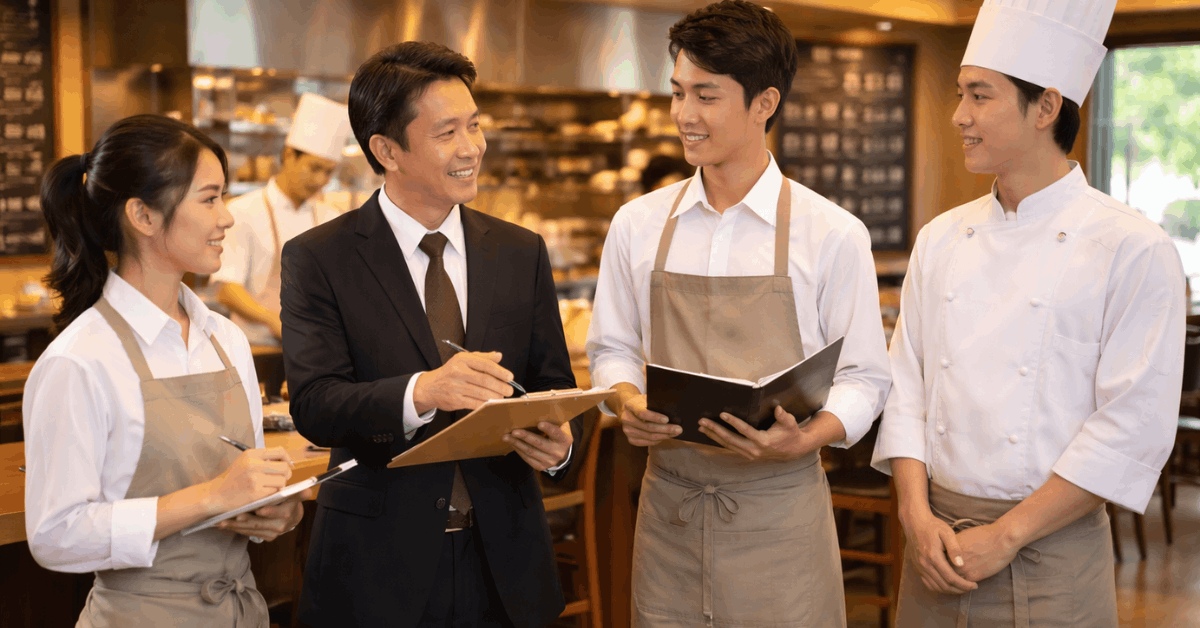
Essential Training Modules
- Understanding Menu Items: In-depth study of dishes and ingredients for accurate explanations.
- Service Protocol: Practicing greetings, keigo, and safe handling of food and drinks.
- Emergency Preparedness: Basic safety, hygiene, and response procedures in case of spills or accidents.
Opportunities for Growth
- Servers can advance to management or specialize in hospitality fields.
- Cultural awareness, language skills, and customer handling all add to career potential.
Legal and Social Considerations for Food and Beverage Workers
Foreigners entering this field should know about working permits, labor standards, and social customs.
Work Permit Requirements
Non-Japanese citizens generally need a valid visa; common categories include "student" (with work permit) or "designated activities." Restrictions often limit weekly hours for students, and paperwork is checked regularly by employers.
Labor Standards and Rights
Japan enforces strict labor laws regarding minimum wage, overtime, and break times. In busy seasons, it’s tempting for some establishments to overwork staff—making it important to know your rights.
There are support networks for foreign workers, though, and most large restaurant chains comply carefully with regulations.
Tips for Serving in Japanese Restaurants
- Learn basic keigo and greetings.
- Pay attention to timing and guest cues.
- Repeat orders carefully for accuracy.
- Keep your body language polite and calm.
- Understand the service style of each venue.
Conclusion
Food and beverage service in Japan is shaped by respect, precision, and the spirit of omotenashi. Servers are expected to combine polite language, careful timing, and strong attention to guest comfort in every interaction.
While service styles differ between formal and casual establishments, the focus on hospitality remains consistent.
Understanding these expectations can help workers and curious readers better appreciate how Japanese restaurant service truly operates.