Caring for others holds deep cultural meaning in Japan, and the rise in demand for professional caregivers reflects both an aging population and evolving health standards.
For individuals interested in the Japanese healthcare sector, understanding the precise caregiver duties and the realities of the work environment is essential.
This guide offers an educational perspective for anyone researching career paths, working conditions, and the broader context of Japanese healthcare roles.
What Defines Caregiver Roles in Japan?
In Japan, caregivers—commonly called "kaigo shokuin"—support elderly or disabled individuals with their daily needs.
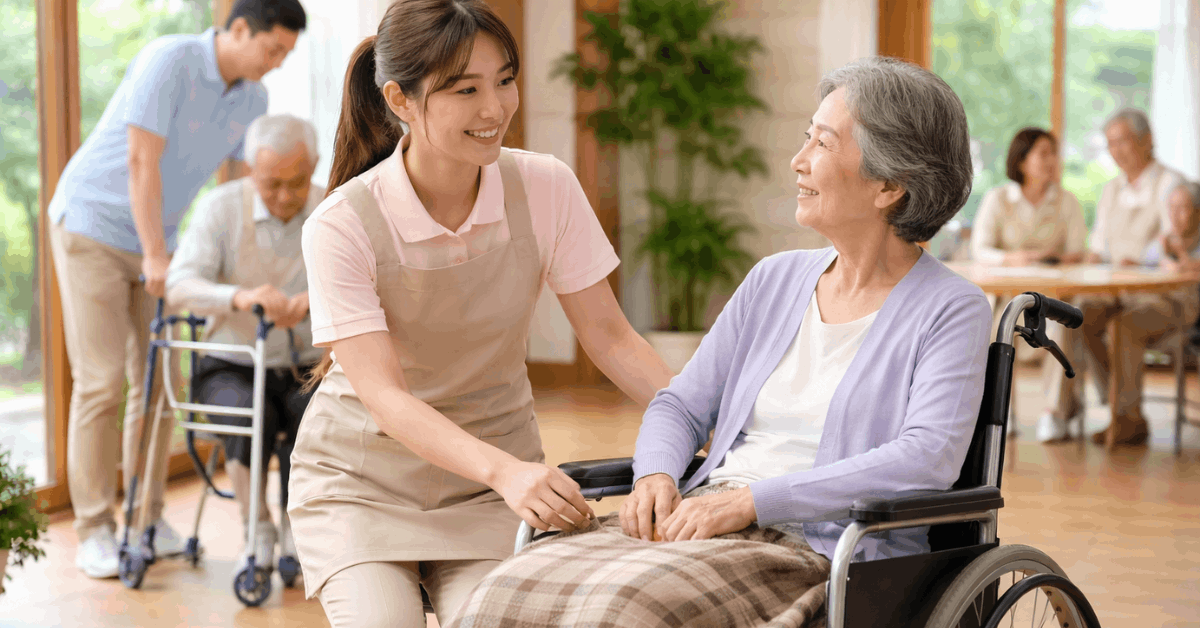
These professionals work in diverse settings from private homes to specialized facilities. While the specific tasks vary, the essence of the job focuses on providing physical, emotional, and sometimes medical support.
Main Duties of Caregivers
The primary responsibilities of a caregiver in Japan typically include:
- Assisting with daily living activities, such as bathing, eating, dressing, and toileting
- Providing mobility support, including using wheelchairs and helping with transfers
- Monitoring clients’ physical and emotional well-being
- Giving reminders for medication (note: direct medical care is usually performed by nurses)
- Offering companionship and conversation
- Assisting with light housekeeping or meal preparation
Not every role includes every task—duties can shift depending on the type of facility, client needs, and the caregiver’s qualifications.
It might be that one day is filled with hands-on assistance, while another is more focused on providing comforting company.
This variety can be rewarding for some, though perhaps challenging for those who prefer predictability.
Typical Work Environments for Caregivers in Japan
Japan’s caregiving sector spans many workplace settings. Understanding these can help in choosing where your strengths and preferences might fit best.
Elder Care Facilities
Many caregivers are employed in nursing homes or assisted living residences known as “kaigo shisetsu.”
These institutions often provide long-term support for residents who are no longer able to manage independently. Roles here may involve shift work, teamwork, and interaction with a wide range of residents.
Home Visit Services
Some professionals work as visiting caregivers, offering support in clients’ homes. This path often requires more independence and adaptability, as each household may have its own routines. The work can feel more personal, though perhaps at times a bit isolating.
Day Service Centers
Another common setting is the day service center, where seniors come during the day for socialization, exercise, and meals.
Caregivers help facilitate activities, monitor health, and assist with personal care needs during operating hours.
Education, Skills, and Personal Qualities Needed
The path to becoming a caregiver typically begins with either basic orientation training (kaigo nyumon) or a national qualification, the Certified Care Worker (kaigo fukushishi) license.
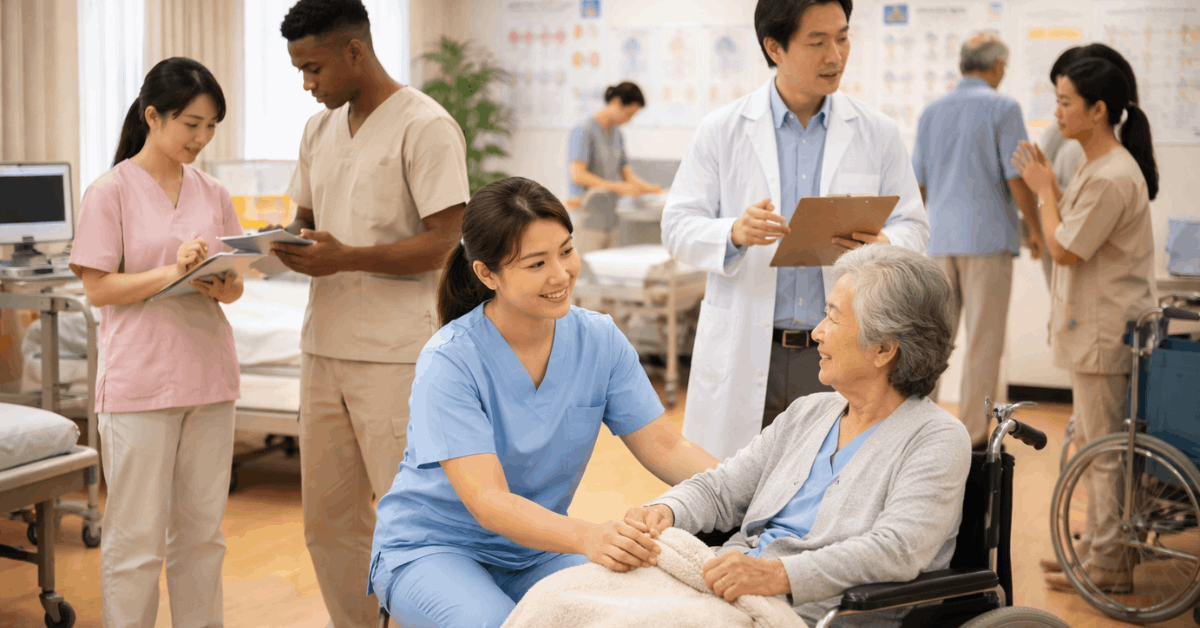
Some facilities hire individuals new to the field, providing on-the-job training, though formal certifications are increasingly preferred.
Key Skill Sets for Success
- Strong communication and listening skills
- Patience and empathy with people facing physical or cognitive challenges
- Attention to physical safety and personal hygiene protocols
- Teamwork and time management abilities
- Willingness to adapt to evolving procedures or unexpected situations
- Japanese language proficiency, especially for foreign workers
Aside from technical skills, personal qualities can be equally vital. Many caregivers mention a sense of fulfillment from building relationships with clients—though the emotional demands can be significant as well.
For some, it’s the meaningful connections, not just routine tasks, that keep them motivated.
Common Challenges in the Japanese Caregiving Sector
Despite its rewards, caregiving in Japan can be demanding, both mentally and physically. Long hours, irregular shifts, and sometimes a lack of appreciation are among the top concerns reported by care workers.
Physically Demanding Tasks
Tasks like lifting clients, repeated movement, and handling emergency situations require stamina and resilience. Facilities typically provide training, but the physical aspect surprises some newcomers.
Emotional and Psychological Impact
Supporting vulnerable populations often involves dealing with loss, behavioral changes, or client family dynamics. Regular access to support or mental health resources is a concern for many.
Changing Regulatory Environment
In recent years, Japan has introduced several policy reforms to improve labor conditions for caregivers.
For example, the introduction of pay raises and career advancement resources signals a growing recognition of the profession's importance. Yet, implementation and consistency across facilities may feel uneven.
Work-Life Balance and Scheduling Patterns
Schedules for caregivers in Japan are rarely 9-to-5. Rotating shifts, weekend and night work are common, especially in residential care settings.
Some report challenges balancing family and social life, while others enjoy the flexibility these patterns sometimes offer.
Part-Time and Full-Time Options
Japan’s caregiving sector accommodates a range of employment arrangements. Part-time jobs are widespread, appealing to parents or students.
Full-time positions generally involve benefits, but also higher expectations and potential overtime.
Managing Fatigue
Facilities are starting to address worker fatigue with more predictable schedules and communication. Still, staff shortages sometimes lead to last-minute changes or heavier workloads.
Compensation and Advancement Opportunities
Wages for caregivers in Japan can vary depending on location, type of employer, qualifications, and experience. While pay is improving, many feel salaries are not always on par with the demands of the job.
However, there are efforts underway to make the field more attractive, especially as labor shortages increase.
- Certified Care Workers (kaigo fukushishi) typically earn higher wages and have better promotion prospects.
- On-the-job-training schemes sometimes lead to full certification.
- Government programs provide financial support for those retraining for caregiving.
Those seeking career growth might pursue leadership roles, specialized therapy training, or even managerial jobs within larger institutions. Not every facility emphasizes advancement equally, but opportunities do exist for proactive staff.
Foreign Workers in Japanese Caregiving
Japan has begun accepting more foreign workers into the caregiving sector through official visa pathways, including the Technical Intern Training Program and the Specified Skilled Worker status.
These routes require Japanese language skills and completion of certain training modules, but can offer a valuable entry into the sector for overseas candidates.
Still, adjustment can be difficult, as workplace culture and communication styles might take time to fully understand.
Support Programs and Resources
- Language support classes and exam preparation material are offered in some prefectures.
- Peer mentoring groups and local community centers assist with adaptation.
- Regulatory information is available via official sites like the Ministry of Health, Labour and Welfare (https://www.mhlw.go.jp).
Key Employment Rights and Legal Considerations
Caregivers in Japan are protected by standard labor laws, which set norms for working hours, overtime compensation, and paid leave.
Facilities must comply with these laws, though, as with many industries, actual conditions can sometimes differ. Knowledge of your rights and access to support organizations can be crucial.
Unions and Advocacy
Several unions and advocacy groups support healthcare and caregiving staff with advice, mediation, and legal assistance in disputes.
It's suggested that workers seek out resources both within their facility and externally, should workplace concerns arise.
The Japan International Labour Foundation may serve as a starting point for further research.
Opportunities and the Future Landscape
With Japan’s aging society, the need for compassionate, well-trained caregivers will only increase. The sector is expected to offer diverse work environments, stable employment prospects, and growing social recognition.
While challenges persist—staffing shortages, salary issues, work-life balance—the field steadily evolves.
For some, the rewards aren’t just financial; they might find real meaning in contributing to the well-being of others.
Tips for Starting Caregiver Work in Japan
- Learn the daily duties clearly.
- Build patience and communication skills.
- Prepare for shift-based schedules.
- Check certification requirements early.
- Know your worker rights and support options.
Conclusion
Caregiver work in Japan plays an important role in supporting elderly and disabled individuals across different care settings.
The job requires empathy, physical stamina, communication skills, and a willingness to adapt to demanding routines.
Although the work can be challenging, it also offers meaningful experience, stable demand, and opportunities for long-term growth.
For anyone considering this path, understanding the duties, requirements, and realities of the role is an important first step.