
Convenience stores, or "konbini," play a unique and substantial role in Japanese daily life. Daily Yamazaki stands out among these, offering a blend of bakery, retail, and fast service that many residents rely on.
For those considering a job here—or simply curious about what goes on behind the scenes—the diverse duties of in-store staff are worth a closer look.
Exploring this can clarify both the expectations and attractions of working in a leading Japanese convenience store.
This article is crafted for job seekers, English speakers in Japan, and anyone interested in how "konbini" workplaces function.
By sharing a clear breakdown of responsibilities and realities, readers gain realistic insight into a Daily Yamazaki role.
Exploring both the obvious and the less-mentioned routines might help individuals decide if this type of work fits their lifestyle or language learning goals.
What is Daily Yamazaki?
Daily Yamazaki is a major player in Japan’s convenience store industry, known for a strong focus on fresh bakery items and diverse food offerings.

With hundreds of outlets across Japan, the chain emphasizes accessibility, fast service, and reliability. As with most konbini brands, location and consistency drive continuous customer flow, leading to stable employment opportunities almost everywhere.
Many stores operate 24 hours. However, unlike global chains, Daily Yamazaki’s bakery corner gives it a unique identity. For aspiring staff, this means a slightly different range of duties compared to other konbini jobs.
Core In-Store Duties at Daily Yamazaki
The daily work in a Daily Yamazaki store extends beyond simple cashier tasks. Routine varies by shift, time of day, and even the store's neighborhood.
Staff often rotate between multiple stations and adapt as needs change. Here’s a closer look at typical responsibilities:
Register Operations and Customer Service
One of the most visible roles is operating the cash register. This involves scanning items, processing various payment methods, issuing receipts, and sometimes assisting customers with delivery or bill payments.
Interpersonal skills are essential, especially during peak hours or when assisting tourists unfamiliar with Japanese systems.
While this might sound repetitive, every customer seems to bring a new twist, requiring patience and quick thinking.
Bakery Preparation and Display
The in-store bakery section is a prominent feature. Staff often help with baking bread and pastries, arranging items, and monitoring freshness.
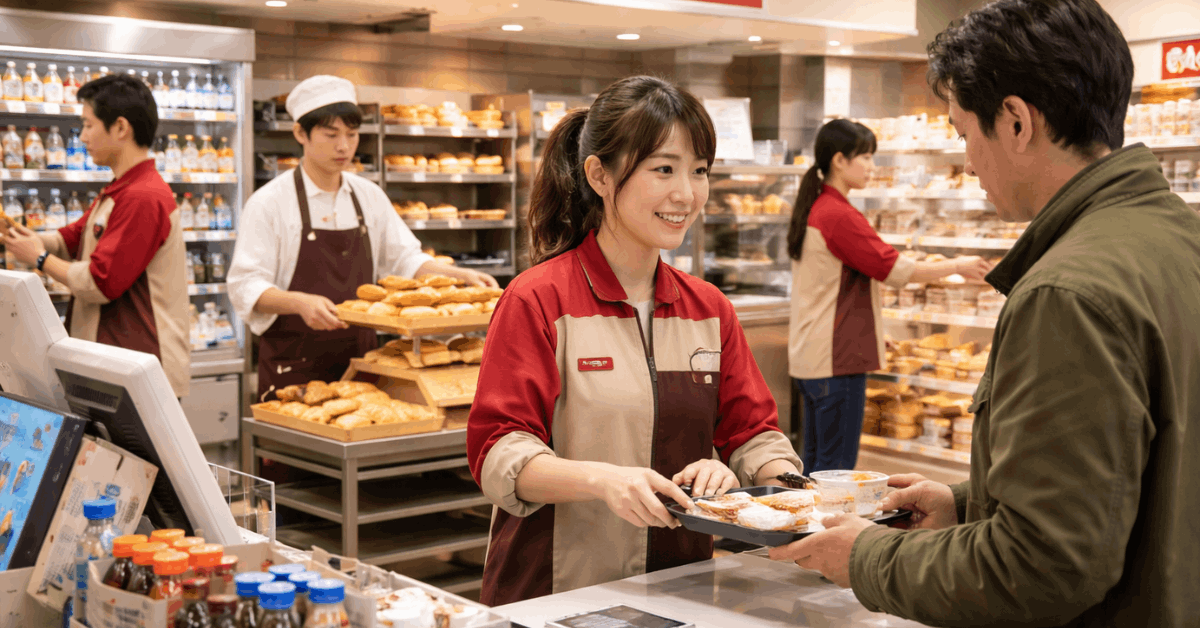
Not all stores require extensive baking knowledge, but training basics are generally provided. Shifts might involve slicing, packaging, or simply ensuring the counters look appealing. It’s a rhythm that can be calming—unless, of course, the morning rush is underway.
Stocking and Inventory Control
Keeping shelves stocked is a non-stop process. Staff are responsible for unpacking and shelving deliveries, checking dates for perishables, and rotating items to minimize waste.
Realistically, inventory work might seem tedious at times, yet it’s essential for business health. There’s a real sense of accomplishment when a crowded shelf looks tidy again, even if no customer notices the effort involved.
Cleaning and Sanitation
Maintaining impeccable hygiene is central in Japanese retail settings. Staff sweep floors, wipe counters, handle trash collection, and regularly sanitize high-touch surfaces.
The work is ongoing, sometimes unnoticed, but often praised in customer satisfaction surveys. If you prefer neat spaces, this might feel rewarding, though the pressure to be thorough never seems to ease up.
Other In-Store Responsibilities
Additional tasks can include assisting with promotional events, assembling gift sets, and responding to customer queries about products or services.
During late shifts, there might be periods of restocking coolers or even updating digital advertising displays.
Multitasking and flexibility are quietly expected, and though training helps, adaptability remains key to success.
Why Working at Daily Yamazaki Appeals to Many?
One reason many apply for Daily Yamazaki jobs relates to the flexible hours and accessibility across Japan.
Students, part-timers, and even retirees sometimes take positions for supplemental income or job stability.
The routine—though sometimes repetitive—offers a supportive space to build work experience, language skills, or local knowledge.
Language Practice and Cultural Immersion
Some non-native Japanese speakers see konbini jobs as practical language schools. Engaging with everyday customers, handling real-life problems, and listening to workplace conversations accelerates language learning.
Admittedly, some days feel overwhelming, yet the practical immersion can be more effective than any classroom session.
Predictable Scheduling and Reliable Income
Shifts are often offered in predictable time blocks—morning, midday, evening, or overnight. This structure appeals to those balancing school, care duties, or secondary jobs.
While hourly wages are modest, regular work and potential overtime mean reliability, a steady paycheck, and small additional benefits such as staff discounts.
Supportive Teams and Training
Daily Yamazaki tends to foster a sense of teamwork. New hires typically receive training, both in practical skills and company-specific standards.
Mistakes are inevitable, of course, but supervisors and peers often help smooth things over. While some stores are busier or stricter than others, the broader company culture emphasizes mutual support and cooperation.
Common Challenges Faced by Staff
Despite many positives, there are challenges worth noting. Standing for long periods is physically demanding.
During festivals, storms, or late evenings, unpredictable surges in customer flow can test stamina and patience.
Occasional language barriers or cultural misunderstandings crop up, especially in urban tourist areas. Some might find the pace tiring, or the multitude of tasks difficult to keep up with on busy days.
Work-Life Balance Considerations
While some embrace the variability of part-time work, the irregularity of shifts might clash with personal routines or study schedules.
Night shifts, though quieter, may disrupt sleep patterns. These realities perhaps explain why turnover can be moderately high, despite the steady demand for workers.
Legal Requirements and Onboarding Process
Working at Daily Yamazaki, like any retail position in Japan, involves adhering to local labor laws. Most roles require a valid work permit (for non-citizens), age restrictions compliance, and passing basic health and safety orientations.
An onboarding session covers key policies, workplace conduct, and emergency procedures. Some knowledge of simple Japanese is often requested, but requirements vary by region and management style.
Uniforms and Personal Conduct
Uniforms are generally provided, reinforcing the chain’s brand identity. Staff are expected to maintain a neat, professional appearance at all times.
Punctuality and attentiveness matter. While these expectations can sometimes feel strict, they also create a sense of belonging and pride among staff.
Even so, everyone finds themselves occasionally rushing just to clock in before the shift starts— that’s just life.
Career Progression and Skill Development
Though many view convenience store work as temporary, it does offer unexpected opportunities. Dedicated workers might move into trainer, supervisor, or even store management roles.
Exposure to sales data, food safety, or logistics can be valuable for those pursuing broader retail or hospitality careers.
And, of course, every shift sharpens communication skills and cultural understanding—assets that are hard to quantify but undeniably useful.
Daily Yamazaki vs. Other Japanese Convenience Stores
It's natural to wonder how Daily Yamazaki stacks up against brands like Lawson, 7-Eleven, or FamilyMart.
While the essence of in-store duties does overlap, the bakery focus sets Yamazaki apart. Additionally, some find the work culture slightly less intense, though that depends largely on specific management.
Others might prefer rival chains for their technological systems or wider product ranges, but for those who value the bakery aspect and a bit of variety in routine, Yamazaki is uniquely appealing.
Commonalities and Small Differences
All konbini roles require adaptability, customer service, and hygiene awareness. At Daily Yamazaki, the extra emphasis falls on bakery handling and a slightly more traditional atmosphere. Shifts, pay structures, and basic training processes tend to be quite similar to the competition.
Practical Suggestions for Success
Success at a Daily Yamazaki store isn't about perfection. Instead, it depends on communication, flexibility, and a willingness to learn from occasional mistakes.
Regular feedback, small daily goals, and paying attention to minor details can ease the learning curve. Even seasoned workers note that something unexpected seems to happen every month.
For those using the job as a language or cultural bridge, patience and curiosity lead to more meaningful workplace connections.
Experiencing both rush hours and quieter late-night periods paints a fuller picture—and perhaps builds resilience too.
Tips for Working at Daily Yamazaki
- Learn register tasks early.
- Keep bakery items fresh and neat.
- Stay organized during shelf restocking.
- Follow cleaning routines carefully.
- Be flexible with daily tasks.
Conclusion
Working at Daily Yamazaki involves much more than simple cashier duties, as staff handle customer service, bakery support, stocking, and store cleanliness.
The role can be a good fit for people seeking flexible work, practical language practice, or experience in Japan’s retail culture.
Although the job can be tiring during busy shifts, it also offers training, teamwork, and useful skill development.
For many job seekers, Daily Yamazaki can be a solid entry point into the convenience store sector in Japan.