
Many people consider jobs in cleaning in Japan because they’re accessible and steady. Cleaning roles in Japan are available year-round and typically don’t require advanced education or fluency in Japanese.
This article gives you a clear overview of what these roles involve, who can apply, and what conditions you’ll face. If you’re looking for legal, low-barrier employment in Japan, this guide helps you get started right.
Where Cleaning Jobs Are Most Common?
Cleaning roles in Japan are offered across multiple industries. They’re typically tied to places that see high foot traffic and need daily upkeep. Japanese cleaning roles are especially common in urban areas where demand is consistent.
Hotels and Hospitality
Hotels need room attendants, linen staff, and hallway cleaners. Most roles follow a checklist: change linens, clean bathrooms, empty trash, and reset rooms.
Work is often in teams and shifts last 4 to 8 hours. Some hotels provide meals or transportation for staff.
Office Buildings and Commercial Spaces
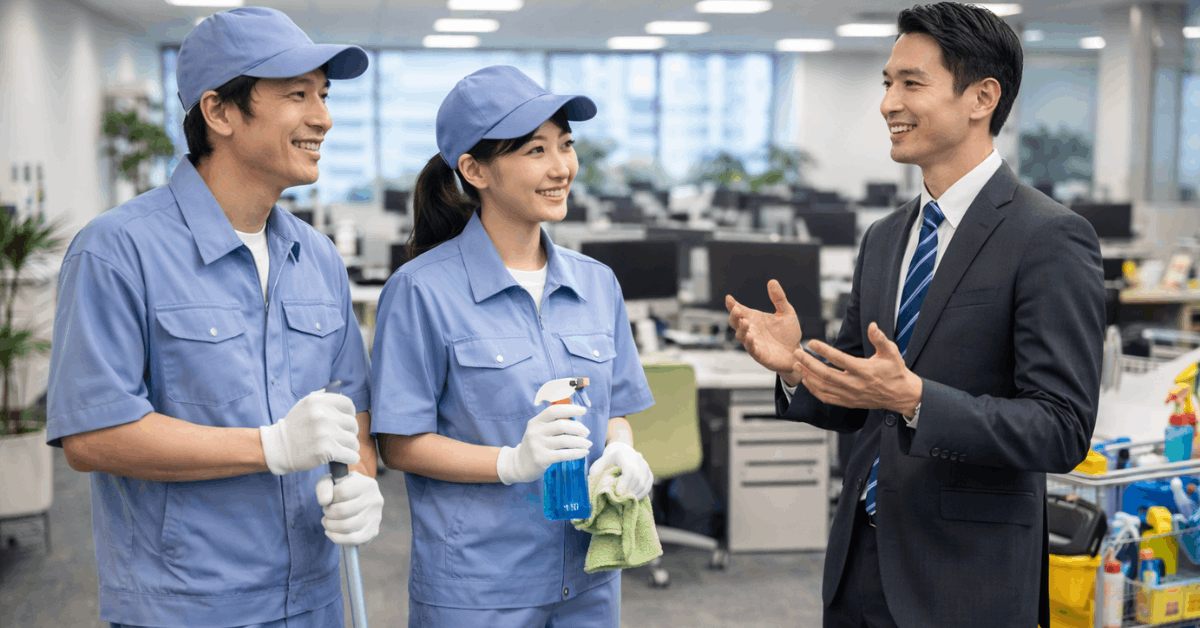
These jobs are steady, often with early morning or evening shifts. You’ll clean floors, bathrooms, desks, meeting rooms, and handle waste.
Some roles involve security responsibilities like locking up afterward. Offices usually prefer cleaners who can work quietly and consistently.
Factories and Industrial Sites
Factories require strict hygiene, especially in food or tech production. You may sanitize work areas, clean tools, or sweep large factory floors.
These jobs may include protective gear and special training. They also tend to offer higher pay due to stricter protocols.
What You Need to Qualify for the Job?
Many cleaning roles don’t require prior experience. Still, you must meet a few key conditions before applying. Here’s what matters most when it comes to eligibility.
Legal Work Status and Visa Type
If you're not a citizen or permanent resident, you need a valid visa. Students can work up to 28 hours per week.
Working holiday and SSW (Specified Skilled Worker) visas allow full-time work. Some roles are offered through dispatch companies that handle visa-related checks.
Language and Communication Skills
Basic Japanese is useful but not always required. Many jobs provide training in simple Japanese with visual instructions.
You should be able to read signs, follow checklists, and understand safety warnings. Some job ads specifically welcome non-Japanese speakers.
Physical Condition and Work Habits
These roles are physical: you’ll bend, lift, move quickly, and stay on your feet. You don’t need to be an athlete, but stamina is important.
Employers look for people who show up on time and complete their tasks. Neat appearance and hygiene also matter.
Schedules, Pay, and Job Types
Jobs vary depending on the employer, but most follow a clear pattern. You can find flexible shifts or stable, full-time roles. Many cleaning jobs offer predictable routines and a steady paycheck.
Work Hours and Structure
Cleaning jobs are often based on shift systems. The work is straightforward and follows a routine.
Morning and Day Shifts
Day shifts start as early as 6 AM. Tasks are completed before guests or workers arrive. These shifts are common in hotels and offices. Most last 4 to 6 hours.
Evening and Night Shifts
Night shifts begin after businesses close. These usually pay more per hour. Night cleaning is typical in supermarkets, gyms, and department stores. You’ll work alone or with a small team.
Split or Rotating Shifts
Some roles involve working different hours on different days. Employers may assign alternating morning and evening shifts.
Flexibility is key for these roles. It suits people who don’t mind schedule changes.
Expected Salary and Benefits
Wages depend on shift time, location, and job difficulty. Most employers pay hourly. Full-time staff often get better benefits than part-time workers.
Hourly Pay Rates
Average pay ranges from ¥1,050 to ¥1,300 per hour. Night shifts or high-risk cleaning can go up to ¥1,500.
Tokyo and Osaka pay more than rural towns. Factory and medical cleaning pay more than standard office work.
Full-Time Vs Part-Time Employment
Full-time jobs come with health insurance, paid holidays, and pensions. They require set schedules and commitment.
Part-time jobs are more flexible but may not include benefits. These are ideal for students or those balancing other commitments.
Bonuses and Incentives
Some companies offer bonuses based on attendance or performance. Long-term workers may get annual raises.
Uniforms and tools are usually free. A few employers provide food or housing.
Where to Find Cleaning Jobs in Japan?
You can apply online, walk into businesses, or use job agencies. Most cleaning jobs don’t require formal interviews. If you’re legally allowed to work and meet the basics, you’ll likely get a trial shift.
Online Job Platforms
Popular sites include Baitoru, TownWork, GaijinPot Jobs, and Indeed Japan. Listings mention pay, location, and hours. You can filter for jobs that accept foreign workers. Some companies provide English job posts.
Agencies and Dispatch Companies
Agencies hire cleaners for hotels, offices, or events. They manage your contract and place you at different sites.
This gives you varied work and lets you try multiple locations. Agencies often have short training sessions before you start.
Local Hiring and Walk-In Applications
Hotels, gyms, or malls may post hiring signs. You can ask the front desk directly. Bring your resume and residence card. A simple, polite introduction usually works.
How to Increase Your Hiring Chances?
Employers prefer reliable, clean, and consistent workers. You don’t need to stand out—you just need to be dependable. A few practical tips can help you land the job and keep it.

Prepare Your Documents
Here are the essentials you should bring when applying for a cleaning job. These items will help speed up your hiring process and prevent delays.
- Bring your resume (rirekisho), ideally filled out in Japanese and ready to submit.
- Carry your residence card to prove your legal working status in Japan.
- Prepare your bank account details to set up salary payments.
- Be ready for a possible health check, especially for factory or food-related roles.
- Keep your phone on hand to answer calls or confirm training schedules.
- Understand your visa conditions before accepting the job to avoid contract issues.
Learn Basic Work Terms
Memorize keywords like "cleaning," "toilet," "trash," "towel," and "vacuum". Use apps like Google Translate or DeepL for help.
Employers appreciate even minimal effort. You don’t need full fluency to follow instructions.
Show Professionalism Early
Arrive 10 minutes early and dress neatly. Be polite even if you don’t speak much. Finish your assigned work without cutting corners. If you follow the rules, you’ll likely be invited back.
Get Started with Japan Cleaning Work Today
You now have a full picture of what to expect from cleaning roles in Japan. These jobs are straightforward, consistent, and available in many locations.
If you're physically able and legally allowed to work, you can get hired quickly. Use the info above to apply smart and work steadily in Japan’s growing cleaning sector.