
The Japanese food service sector is well known for efficiency and hospitality. Whether someone is considering working in a restaurant in Japan or just curious about how these restaurants operate, this guide explores every important detail.
It’s especially useful for those searching for hospitality jobs or seeking practical insights into the workplace.
Understanding kitchen and floor staff duties can make all the difference in achieving success in a Japanese restaurant setting.
Understanding the Japanese Food Service Sector
The restaurant industry in Japan is diverse and disciplined. Many places rely on established customs and detailed work routines.
There’s a clear distinction between kitchen and floor staff, each contributing uniquely to the guest’s experience.
For job seekers, grasping the core responsibilities can help set realistic expectations for day-to-day work.
Kitchen Staff Duties in Japanese Restaurants
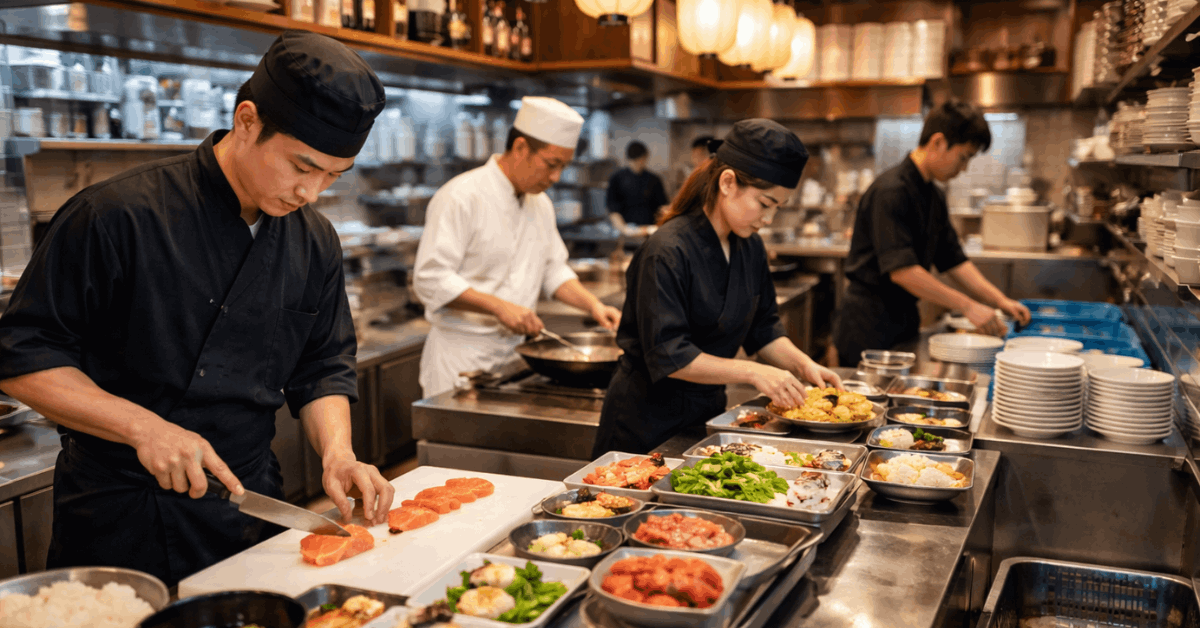
Kitchen jobs in Japan are demanding but rewarding. Positions often include areas such as prep, cooking, and cleanup. Typically, a kitchen team involves several layers of responsibility.
Food Preparation and Ingredient Handling
Prep cooks are responsible for washing, slicing, and arranging ingredients. In some cases, freshness and precision are emphasized more than in other countries.
Tasks could include filleting fish for sushi or preparing vegetables with special Japanese knives. Not surprisingly, attention to detail really matters here.
Cooking and Plating
Chefs are tasked with producing main dishes according to set recipes. Dishes like ramen, tempura, or yakiniku often have standard methods to ensure quality.
Every plate must look consistent, even during rush hours. The appearance of the dish is almost as important as the taste—sometimes, maybe more so.
Maintaining Kitchen Cleanliness
Hygiene standards are strict. Kitchen staff spend part of their shift cleaning utensils, surfaces, and machinery.
For example, items like cutting boards and knives must be sanitized regularly, and any waste must be quickly removed. This reduces the risks of food contamination, supporting a safe work environment.
Coordinating with Front-of-House
Communication between the kitchen and floor staff is constant. Orders are usually relayed via slips or digital screens.
Misunderstandings can slow service, so teamwork is vital. Some kitchens use bells or signals to announce ready dishes, ensuring a smooth workflow.
Other Typical Kitchen Roles
- Dishwasher: Handles plates and assists with keeping the kitchen tidy.
- Line Cook: Specializes in either cold or hot food stations.
- Head Chef (Shokunin): Manages kitchen staff and menu execution.
- Pastry or Dessert Chef: Makes traditional Japanese sweets if offered.
Floor Staff Duties in Japanese Restaurants
Front-of-house jobs are just as crucial. These workers form a direct bridge between customers and the kitchen. Floor staff roles are often well-organized, emphasizing efficiency and politeness.
Greeting and Seating Guests
A warm welcome sets the tone. It’s common to hear “Irasshaimase!” whenever a customer arrives.
This isn’t just a formality—it’s a way to immediately make people feel at ease. Seating is often assigned with consideration for group size and privacy.
Taking Orders and Explaining Menus
Staff members memorize menus and may explain dishes or recommend specials. In busier restaurants, handheld tablets are used for quick and error-free ordering.
Sometimes, guests may ask advice on sake or set meals, meaning product knowledge is important.
Serving Food and Beverages
Delivering food quickly and correctly takes practice. Floor staff also refill tea or water, often without being asked—a small gesture that distinguishes Japanese service. Efficiency is expected, but politeness never suffers, even during peak business hours.
Handling Special Requests and Dietary Needs
Guests sometimes have allergies or religious food requirements. Staff must communicate these needs clearly to the kitchen and recommend alternative dishes. Adapting to requests with patience is valued, even when options are limited.
Clearing Tables and Billing
Tables are cleared promptly but discreetly. In many cases, payment is made at the register rather than at the table.
Floor staff present the bill and manage cash or card transactions, maintaining accuracy and care throughout.
Other Common Front-of-House Roles
- Host or Hostess: Organizes seating and manages reservations.
- Beverage Server: Focuses on drink orders, sometimes in izakaya or bar settings.
- Manager (Tenchou): Oversees entire floor operations and customer service standards.
- Busser: Assists with clearing and resetting tables quickly.
Why Distinctions Matter: Teamwork and Efficiency
The division of labor between kitchen and floor staff is a feature of most Japanese restaurants. This approach builds efficiency and keeps mistakes to a minimum.
Perhaps guests take this structure for granted, but behind the scenes, it matters a lot. Everyone learns their station, but occasionally, duties might overlap when things get very busy.
Key Skills for Success in Japanese Food Service
Several soft and hard skills can make a big difference between doing a job and excelling at it. Employees succeed best when they approach their roles with openness and a willingness to learn.
Adaptability is probably more important than formal experience, though that certainly counts for something.
Attentiveness and Memory
Workers must remember menu details, special procedures, and even regular customers’ preferences. Forgetting key information can throw off the day quickly.
Speed and Multitasking
Both kitchens and floors move quickly, especially during meal rush hours. Speed matters, but it can’t come at the expense of quality, which creates a delicate balance.
Teamwork and Communication
Effective teamwork means everyone knows their role, but remains ready to assist each other if needed. Something as simple as a glance or gesture often signals what needs to be done next.
Opportunities for Job Seekers in Japan’s Dining Industry
The restaurant and hospitality sector in Japan is open to both local residents and, increasingly, foreign workers.
Part-time jobs (baito) and full-time positions are available in most urban areas. While some proficiency in Japanese helps, many chains provide training and encourage team integration.
Popular restaurant brands like Sukiya, Gusto, and Saizeriya have structured on-the-job learning for new hires.
International or fusion-style restaurants may sometimes hire non-native speakers. Career progression is possible, especially for those who show steady improvement and reliability.
Rules, Customs, and Legal Considerations
Workers must comply with local labor laws. Shifts and break schedules are regulated—a detail that protects part-time staff (called "arubaito").
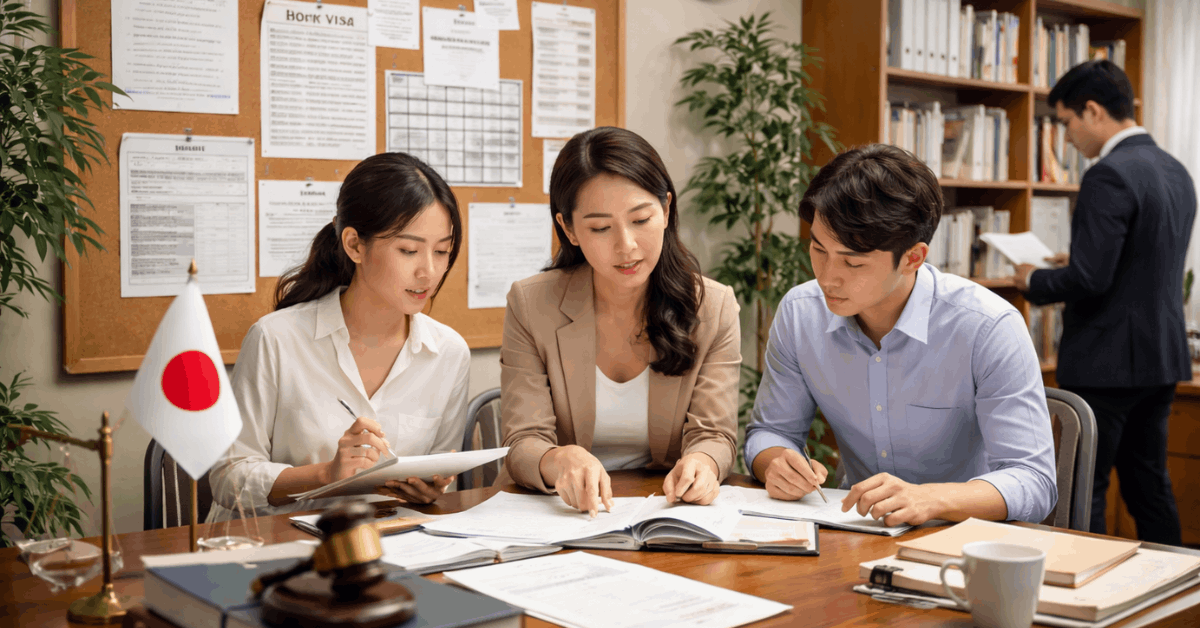
Knowing basic labor rights can help prevent misunderstandings. Work visas are required for foreigners, and documentation checks are strict.
Key Restaurant Etiquette
- Quiet voices in open kitchens are expected to avoid disrupting guests.
- Uniforms must be kept clean; personal grooming is emphasized.
- Punctuality is valued, and lateness is rarely tolerated.
- Use of smartphones during shifts is discouraged unless required for the job.
Following workplace customs supports harmony (wa) and improves the overall work experience for everyone involved.
Tips for Working in Japanese Restaurants
- Learn your role and duties well.
- Communicate clearly with your team.
- Stay fast, clean, and organized.
- Memorize menu items and procedures.
- Be polite and punctual every shift.
Conclusion
Working in a Japanese restaurant requires teamwork, attention to detail, and a strong sense of hospitality.
Kitchen and floor staff each play different but equally important roles in creating a smooth dining experience.
Success often depends on communication, adaptability, and respect for workplace routines and customs.
For job seekers, understanding these duties can make it easier to prepare for restaurant work in Japan.