Understanding the roles and responsibilities on a Japanese factory floor can reveal a lot about what makes this industry so admired globally. Manufacturing in Japan is famous for its high standards and teamwork-based approach.
If you’re considering a career in manufacturing, or you simply want to know how “monozukuri” (the spirit of making things) unfolds every day, this guide might give you a practical, inside look.
Whether you’re a job seeker, student, or a fan of industrial efficiency, learning about these daily routines could be surprisingly relevant.
Why Japanese Factory Floors Stand Out: Key Principles
Factory work in Japan goes beyond just assembling products. There's a distinct focus on quality control, process improvement, and mutual respect. The influence of concepts like “Kaizen” can be noticed in small habits and big processes alike.
What Makes the Environment Unique?
It’s not uncommon to notice structured routines and a sense of quiet determination. The pace isn’t always frantic, but there’s a visible drive for consistency.
Sometimes, workers themselves catch small errors before official checks occur—that’s not just a coincidence but culture in action.
Kaizen and Continuous Improvement
Managers and staff work together, encouraging ongoing tweaks and upgrades, even in minor aspects of the workflow.
It’s not about huge leaps; incremental progress carries a lot of weight here. Occasionally, someone might suggest a process change, even if it seems trivial.
Main Responsibilities on the Japanese Factory Floor
Every role comes with its own set of responsibilities, but there’s often some overlap. What’s intriguing is how the overall system runs, not just individual effort. Below are the primary positions found on most Japanese factory floors.
Assembly Line Worker
Perhaps the most visible member of the team. These workers perform routine tasks, whether attaching components or testing finished products.
Repetition might sound unexciting, but a skilled worker usually finds subtle ways to fine-tune output. Sometimes people are rotated across stations, if only to keep things fresh and reduce fatigue.
Quality Control Inspector
A key figure in any Japanese manufacturing environment. Inspectors don’t just look for flaws—they might also propose improvements.
If a mistake slips by, there’s no rush to assign blame. Instead, the focus shifts to analyzing what went wrong, then adjusting the workflow to prevent repeats.
Team Leader or Line Supervisor
These individuals keep daily targets in sight while also handling any on-the-spot issues. Often, they act as a bridge between upper management and floor workers.
Some supervisors might be hands-on, joining the line during busy periods. Decision-making is sometimes more collaborative than in hierarchical systems elsewhere.
Maintenance and Repair Staff
Modern equipment still needs regular checks. Maintenance workers often carry logs, making notes after every inspection. Something as simple as a loose bolt can receive immediate attention.
There's a saying that "a small problem, if ignored, quickly turns big." That feels especially true on a busy Japanese line.
Daily Workflow: Steps, Tasks, and Habits
A typical day on a Japanese factory floor follows a steady rhythm, but unexpected situations can always arise.
Routine checks, brief meetings, and short breaks all form part of the system. Some steps are nearly universal, regardless of company or region.
Morning Briefings (Chorei)
Workers and supervisors gather—sometimes standing—for a quick rundown of the day’s targets, any safety reminders, and, occasionally, a moment of group reflection. It can feel a bit ceremonial.
Pre-Operation Inspections and Tool Checks
Before machines hum to life, staff review equipment and tools. These checklists help reduce downtime and catch minor issues early.
If someone notices a cracked handle or an oil leak, there’s an immediate report rather than silent worry.
Main Operations: Production and Assembly
Core work begins in earnest. Each person handles their assigned duties, often setting a personal pace—and sometimes glancing over to help a slower colleague. Mutual support isn’t just recommended, it’s quietly expected.
Quality Control Intervals
Instead of checking everything at the end, inspectors review samples at regular intervals. Sometimes they find patterns—a faulty part from a supplier or maybe a slipping measurement. Small fixes are applied fast, sometimes with a shrug or a brief debate on the best approach.
Kaizen Proposal Time
Many factories allow a few minutes at day’s end (or even during breaks) to jot down improvement ideas. Some suggestions are acted on quickly; others enter a longer review process.
Key Skills and Traits Needed
If there’s a single defining trait here, it’s reliability. Technical skills matter, but being present and engaged every shift tends to get noticed. Respectfulness—from simple greetings to careful listening—also ranks high.
Attention to Detail
One might think factory work is all about speed, but spotting a tiny flaw before it becomes a big issue is often more valued. It could mean checking screws, or feeling for rough edges—a habit that develops over time.
Teamwork and Flexibility
Occasionally, someone is asked to fill in outside their main zone—flexibility helps keep the line running. Open communication is encouraged, but it's usually delivered with humility.
Health, Safety, and Ergonomics in Japanese Manufacturing
Maintaining worker health isn’t just a priority—it's an ongoing project. Many companies have policies that go beyond legal requirements.
For example, ergonomic tools and workstation adjustments are standard practices in certain sectors.
Regular Safety Drills
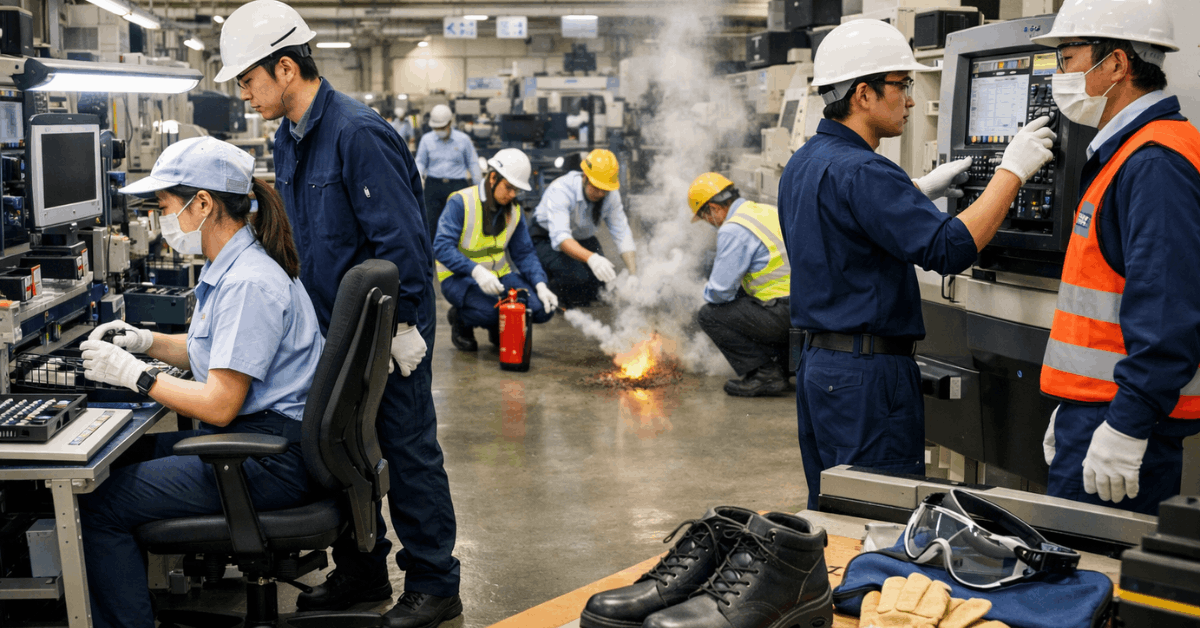
Drills and training updates aren’t annual afterthoughts. They’re incorporated regularly. When a new machine arrives, everyone spends a bit of time just getting used to it before real production begins.
Personal Protective Equipment (PPE)
Shoes, gloves, and even tailored uniforms. Sometimes staff might complain about the extra layers in summer, but most agree it's worth it. Wearing the right gear often prevents minor cuts or more serious trouble.
Upskilling and Career Progression on the Factory Floor
The route from new hire to veteran is rarely linear. On-the-job learning remains central. Many workers report steady growth through internal training or by shadowing experienced colleagues.
Internal Training Sessions
Short modules—sometimes weekly—cover new equipment or changing policies. The atmosphere is more collaborative than a classroom, though tests or certifications may be required for certain roles.
Pathways to Leadership
Quiet excellence and helpfulness can lead to promotion. Some line supervisors started as entry-level workers and got noticed after suggesting a small process change that made a big difference.
Technology and Automation: Evolving Roles
Robotics and smart manufacturing technology are increasingly present. However, human judgment is valued; machines can’t always replace a careful eye. Occasionally, debates occur about speed versus precision when a new robot arrives.
Human-Machine Collaboration
It’s not just about losing or keeping jobs—most workers adapt, becoming a hybrid operator-troubleshooter. This blend of traditional skill and tech-savvy is becoming typical in larger facilities.
Practical Tips for Working on a Japanese Factory Floor
- Follow routines carefully every day.
- Pay attention to small details.
- Communicate clearly with your team.
- Take safety rules seriously.
- Stay open to learning and improvement.
Conclusion
Working on a Japanese factory floor requires consistency, teamwork, and strong attention to detail. Daily routines, quality checks, and safety habits all play an important role in keeping operations smooth and efficient.
Employees who stay reliable, adaptable, and willing to improve can build valuable skills over time.
For job seekers or curious readers, understanding these responsibilities gives a clearer picture of Japan’s respected manufacturing culture.