
“Light work” has a specific feel in Japan’s logistics scene: repetitive tasks, clear rules, and steady pacing.
Light Work in Japan usually means picking, packing, sorting, or inspecting small items like cosmetics, snacks, or accessory goods, then preparing them for shipment. Pay depends on region and shift, yet listings commonly sit around ¥1,200 to ¥1,500 per hour, with late shifts sometimes higher.
Job ads also tend to emphasize predictability. Training often happens on the floor, instructions stay standardized, and performance gets tracked through scanners or check sheets. Expectations stay reasonable when the role is truly “light,” though standing time and repetition still shape the day.
What “Light Work” Typically Means In Japanese Warehouses
Light Work in Japan often gets used as shorthand for roles that avoid heavy lifting and complex judgment calls. Sites vary from e-commerce fulfillment to food distribution, so “light” can still include brisk walking, cart pushing, and long standing blocks.
A typical shift runs inside a structured routine. Managers assign a station, give a quick safety brief, and set a target pace that matches the day’s order volume. Facilities that handle perishables may split tasks across temperature zones, so the same role can include both room-temperature handling and time inside chilled areas.
Workflows stay simple:
- receive items,
- confirm SKU and quantity,
- pack,
- label,
- stage for outbound,
- repeat.
Foreign workers and beginners often start here because entry barriers stay low. Some employers accept minimal Japanese, while others want conversational ability so instructions and safety notes land clearly.
Key Packing Duties and Responsibilities
Packing work looks simple on paper, but then turns into a rhythm of small decisions that protect accuracy. Mistakes usually happen during speed-ups, label swaps, or mixed-bin picking, so clean habits matter more than “working harder.”
Packing and Sorting
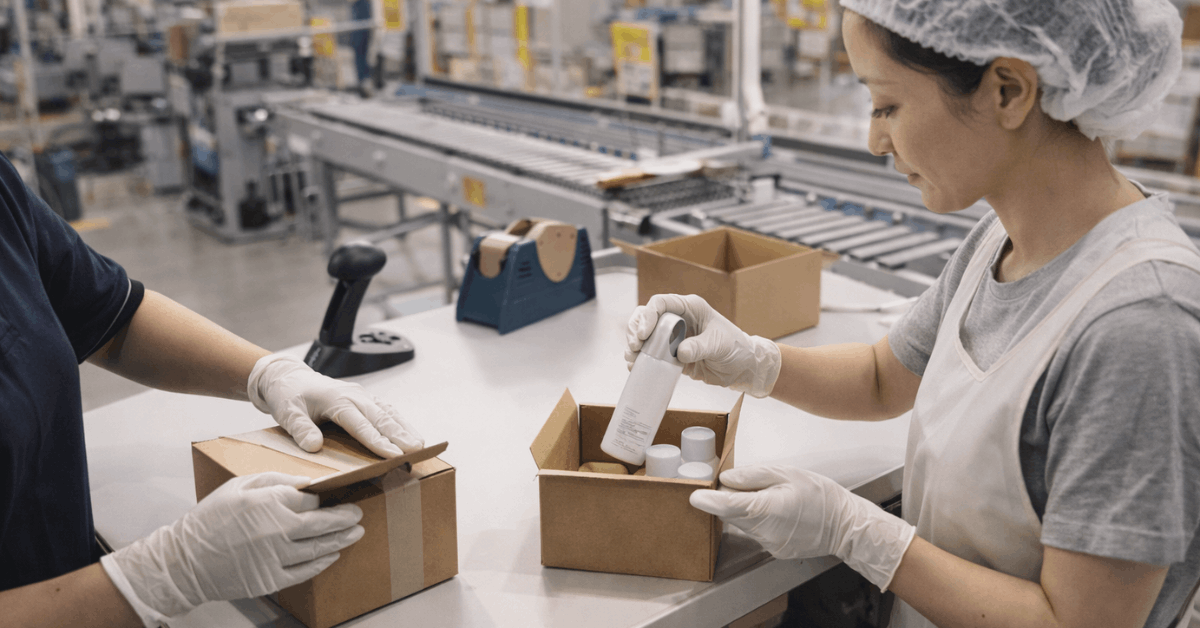
Boxing tasks include placing items in the right cartons, adding void fill when needed, sealing with tape, and attaching the correct label. Many shifts also include sorting by destination or carrier route, so staging areas stay tidy and dispatch stays fast.
Warehouse packing jobs in Japan often include quick checks for barcode match, quantity match, and box condition. Damage prevention becomes part of the job, especially for cosmetics, glass bottles, or snack cartons that crush easily.
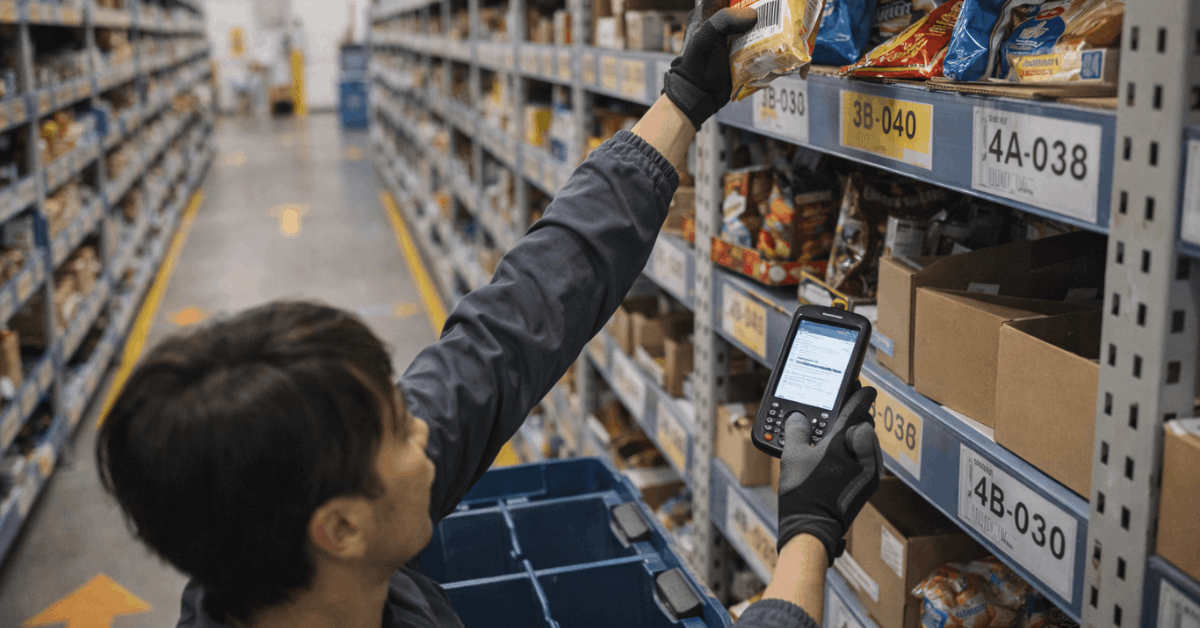
Picking Using Sheets Or Scanners
Picking and packing usually start with an order sheet or handheld scanner that tells the picker what to pull and where it lives. Shelves are labeled, bins are numbered, and the route is designed to minimize wasted steps.
Accuracy comes from simple habits:
- confirm the code,
- pull the right quantity, and
- Place items in the correct tote.
Sites with strong quality control require scan confirmation at several points, which keeps errors low while also tracking speed.
Inspection At A Workstation
Inspection can happen at a standing table or a seated station, depending on the product and the site. Work often includes checking seals, packaging damage, missing parts, or expiration dates on food and supplements.
Some lines run “inspect then pack,” while others run “pack then inspect,” where a separate quality team samples cartons. Either way, defect handling follows a script, and supervisors usually decide if rework or discard applies.
Inventory, Labels, and Tracking
Inventory tasks stay basic in entry roles: counting stock, rotating items, cleaning up misshelved goods, and flagging low bins. Shipping label scanning is a constant theme, since outbound accuracy depends on matching item codes to the right label at the right time.
Labeling also connects to dispatch timing. Orders staged incorrectly can cause missed cutoffs, which is why many teams enforce double-scan steps near the outbound lane.
Warehouse Working Conditions and Environment
Conditions are usually better than the stereotype of a chaotic warehouse. Many Japanese sites highlight orderliness, safety signage, and clear walk lanes, partly because efficiency depends on it. Comfort still depends on temperature zones, shift length, and how often tasks rotate.
Physical Demand and Fatigue Patterns
“Light” normally means light to moderate load, yet long-standing and repeated motions still add up. Feet, calves, and shoulders feel the work first, especially during peak seasons.
Breaks matter. Japan’s Labor Standards Act requires at least 45 minutes of breaks when the workday exceeds six hours and at least one hour when the workday exceeds eight hours, so rest time should be scheduled. Late-night work also has defined rules around extra pay and protections, and reputable employers explain those terms clearly.
Clean, Climate-Controlled, Or Temperature Zones
A lot of packing lines run in air-conditioned spaces, since product quality and worker comfort both affect output. Cold storage warehouse work is different. Chilled areas for food can run around 0°C to 15°C, while freezer zones can reach much colder ranges, depending on the operation.
Facilities often manage this through zoning: pick a colder area, then pack in a milder buffer room. Gloves, thermal layers, and short rotations help keep cold exposure manageable, though the job still feels sharper on joints and fingers than at room temperature.
Pacing, Supervision, and Task Rotation
Teams usually follow a structured pace with visible targets, plus regular check-ins from line leaders. Some warehouses rotate stations every few hours to reduce repetitive strain and keep attention from dropping.
Rules can feel strict, yet that structure is what makes the work approachable. Clear signage, fixed processes, and predictable expectations reduce guesswork, which helps beginners settle in faster.
Commuting and Site Access
Access gets promoted heavily in job listings. Many sites sit near rail lines, while others run a train station shuttle bus so workers can reach industrial zones without extra hassle. Bike parking and car commuting options also show up often, especially for suburban distribution hubs.
Pay, Shifts, and Basic Requirements
Listings vary across prefectures and employers, yet patterns show up repeatedly across major job boards. Rates tend to cluster around the low-to-mid ¥1,000s for day shifts, while night premiums can push higher depending on hours and overtime structure.
Hourly wage
Hourly wage in yen is often shown as a base figure plus extras, so reading the breakdown matters.
Transportation reimbursement, shift differentials, and overtime rules can change the real take-home. Job boards also show roles around ¥1,200 for day shifts and ¥1,500 for night shifts, with some “light warehouse” listings advertising ¥1,533 for specific night roles.
Shifts
Night shift warehouse work usually means hours that cross 10:00 p.m. to 5:00 a.m., which is the legal “late-night” window tied to premium pay rules. Rotating shifts are common, and part-time schedules often run 3–5 days per week, which fits students and people balancing other commitments.
Requirements
Language requirements range widely. Some postings accept no Japanese for specific shifts, while others ask for basic conversation.
Japanese language level N3 shows up often as a practical target for smooth communication on the floor, while N4 or N5 can work in simpler environments with supportive supervision.
N2 and N1 tend to matter more for leadership tracks or roles that involve documentation-heavy tasks.
Where These Jobs Get Posted and How To Screen Them
Platforms like YOLO Japan, Guidable Jobs, and WorkJapan frequently list entry warehouse roles, including packing, picking, and sorting. Ads often mention item type, schedule, station access, and expected Japanese level, which makes comparison easier.
A fast screening method helps avoid unpleasant surprises:
- Confirm product type and temperature zone before applying, especially for chilled and freezer work.
- Check shift times, break time, and the pay breakdown for late-night hours.
- Look for training notes and quality steps, since better training usually means less stress.
- Ask about transport support if the site is far from rail lines.
On-the-job training should include scanner use, labeling rules, and safety basics. Sites that skip training often push workers into errors, which hurts both pay consistency and job satisfaction.
Last Thoughts
Light Work in Japan tends to suit people who want steady, straightforward warehouse routines without heavy lifting, as long as standing time and repetition feel manageable.
Most roles boil down to picking, packing, scanning, and basic checks, done inside organized workflows that reward accuracy more than speed alone. Pay often lands around ¥1,200–¥1,500 per hour, with late-night windows pushing higher when shift premiums apply.
Screening listings for temperature zones, break structure, training quality, and language expectations keeps the “light” promise realistic, so the job feels predictable rather than draining.