
Japan’s transport sector is often seen as one of the most efficient in the world. For anyone considering professional driving in Japan, understanding the different job roles and strict fleet management guidelines is essential.
This article introduces the main types of driving roles, key regulations, and what to expect if you’re looking into Japan’s transportation industry.
Main Professional Driving Roles in Japan
The Japanese transport system relies on a variety of licensed drivers. The following roles make up the backbone of this industry, each with its own requirements and daily realities.
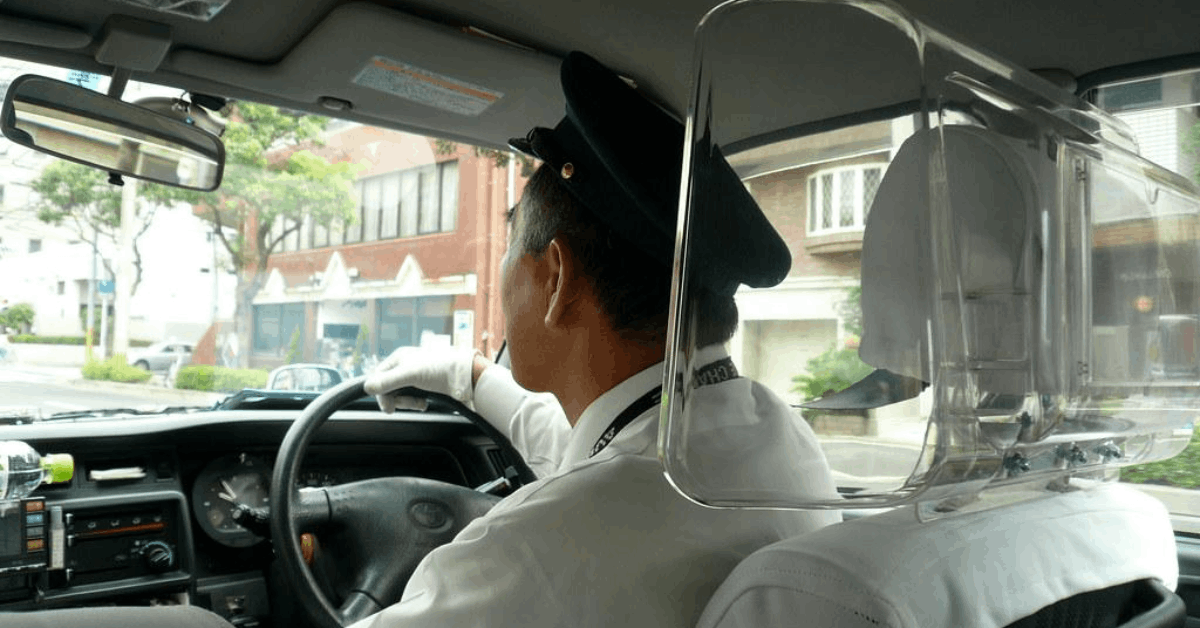
Taxis and Hired Vehicles
Taxi drivers in Japan must undergo rigorous training and possess a special license. Most taxis operate from company depots, and drivers can expect to follow both municipal and company regulations closely.
While ride-share models aren’t as popular as in some other countries, hired chauffeur services are growing, especially for tourists and executives visiting Japan.
Truck and Delivery Drivers
Truck drivers handle anything from small packages to heavy industrial goods. With the boom in e-commerce, there’s been a noticeable increase in demand for delivery drivers.
Larger vehicles, such as lorries, require special endorsements in addition to a standard license. A growing number of fleets are upgrading to eco-friendly and smart vehicles, which may provide a different work environment compared to more traditional routes.
Bus and Coach Operators
Bus drivers operate scheduled services, school runs, or tourist charters. The daily routine often includes strict adherence to timetables, route regularity, and passenger safety.
With Japan’s focus on punctuality, there’s a bit of pressure, but the role can be rewarding, especially for people who enjoy interacting with passengers.
Special Transport Services
Drivers transporting hazardous materials, schoolchildren, or persons with disabilities assume additional responsibility and must comply with additional laws. Such positions may require medical clearance, extra insurance, and ongoing safety training.
Key Requirements for Professional Drivers
Every transport role in Japan comes with distinct criteria that help maintain high safety standards across the industry.
Licensing and Certification
Most professional roles require a category-specific Japanese driver’s license. Foreigners may need to convert their license or pass the Japanese driving exams to become eligible.
Some jobs also require applicants to demonstrate language proficiency, especially those with customer interaction.
Health and Fitness Checks
Regular health screenings are standard, particularly for bus, taxi, and long-haul truck drivers. Many companies require drivers to participate in ongoing wellness and fitness programs.
In rare cases, drivers may be asked to provide medical documentation before and during employment.
Background and Training
Employers often review applicants’ driving records and criminal history. Many jobs require initial and periodic training in safety, first aid, and sometimes conflict resolution.
For drivers working with sensitive groups, like children or senior citizens, extra vetting is common.
Fleet Management and Regulation
Japan is known for its attention to detail in fleet management. Companies are expected to monitor and maintain high standards at every stage of operation.
Vehicle Maintenance Rules
Vehicles must pass regularly scheduled inspections (shaken) and safety checks. Maintenance logs are detailed and consistently updated.
Even minor faults often need reporting right away. For newer fleets, telematics and automated diagnostics are becoming the norm, affecting how drivers interact with their vehicles daily.
Hours of Service and Work Schedules
Strict labor laws govern maximum driving hours, mandatory rest periods, and holiday entitlements. Typically, fatigue management is a significant component, so drivers are encouraged to report any health or sleep issues to their managers.
Onboard Technology and Monitoring
Most commercial vehicles are fitted with digital tachographs and GPS trackers that record routes, speed, and stopping times.
This technology isn’t just about oversight—it helps with route planning, fuel efficiency, and sometimes rewards safe driving.
The Work Culture and Expectations
Understanding Japanese work culture can make a big difference for foreign drivers considering a job in transport.
The environment combines tradition and innovation. Punctuality and politeness are deeply valued, but there’s also a focus on efficiency and safety.
Punctuality and Discipline
Whether it’s a few seconds at a bus stop or a delivery time window, being on time is critical. Many companies have strict attendance policies, and lateness can be frowned upon, understandably, given the country’s reliance on timetables.
Teamwork and Respect
Hierarchy is common in most companies, which means drivers interact with a chain of supervisors and dispatchers.
Collegiality and mutual respect are emphasized, and disputes are usually managed in a formal, discreet way.
Adapting to Japanese Road Rules
While Japan’s road network is tidy and well-signposted, it can take some adjustment, especially for those used to driving on the right.
The left-hand traffic, strict alcohol laws, and frequent speed cameras all shape a driver’s experience. Not everyone finds the learning curve easy, but support is often available from companies.
Legal and Compliance Considerations
There’s considerable oversight in the Japanese transport sector to keep roads safe and services reliable. It might seem strict, but the result is a safe and predictable work environment.
Insurance and Liability
Drivers must comply with company and statutory insurance requirements, usually including third-party and employee accident coverage.
Personal liability can arise if drivers commit infractions, even when using company vehicles. Some companies deduct penalties directly from wages, although that’s not universal.
Handling Incidents and Violations
Minor traffic violations are subject to on-the-spot fines and penalty points, while serious infractions can threaten employment.
Incident reporting procedures are standardized, and investigation is routine, particularly for accidents involving injury or property damage. The process tends to be fair, though it can be quite methodical.
Discrimination and Equal Opportunity
Japanese law covers non-discrimination based on nationality, gender, or disability. Although local language ability may limit some opportunities, there are roles specifically designed for non-native speakers and non-Japanese applicants.
Professional Growth and Opportunities
The sector offers upward mobility, from starting as a courier to moving into supervision, dispatch, or even running your own fleet.
There are vocational schools for drivers and formal qualifications that make roles more accessible. Some companies even sponsor additional training or license upgrades for reliable employees. Maybe surprisingly, age is less of a hurdle here compared to some other sectors.
Practical Tips for Starting a Driving Career in Japan
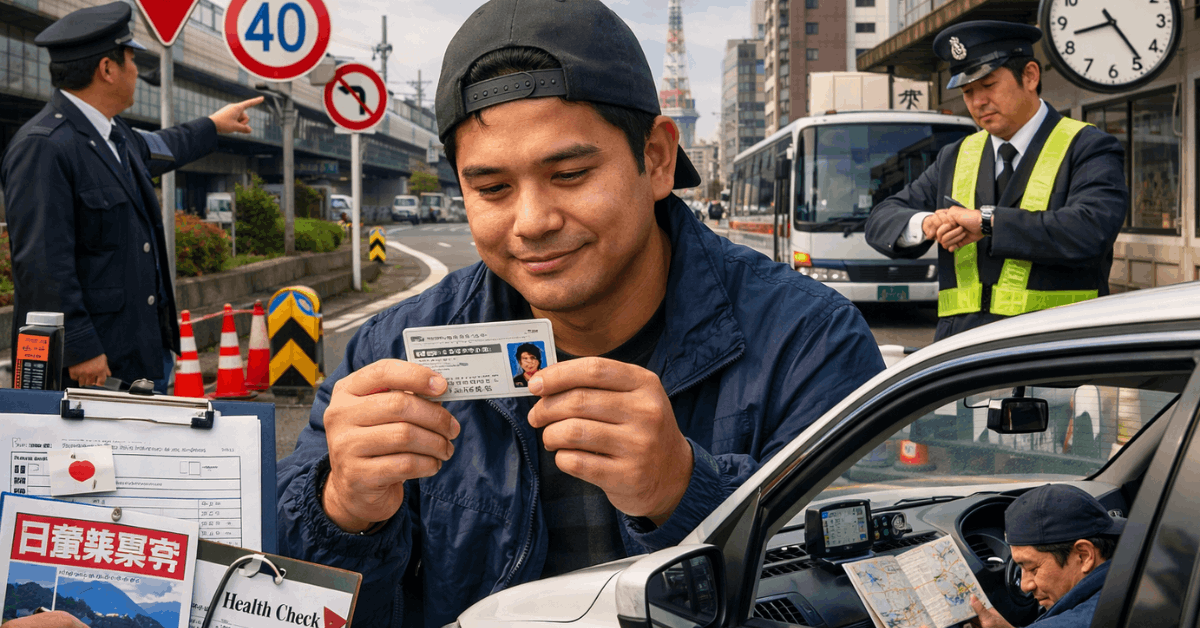
- Check your license requirements early.
- Learn key Japanese road rules.
- Keep your health records updated.
- Follow safety rules at all times.
- Be punctual and professional daily.
Conclusion
Professional driving in Japan offers a range of opportunities, from taxi and delivery work to bus and special transport services.
Success in this field depends on meeting licensing requirements, adhering to strict regulations, and adapting to Japan’s work culture.
Drivers are also expected to value safety, discipline, and consistent vehicle care. For those prepared to meet these standards, the transport sector can offer stable work and long-term growth.